
Basarab the Elder
Voivode of Wallachia
c. 1470s
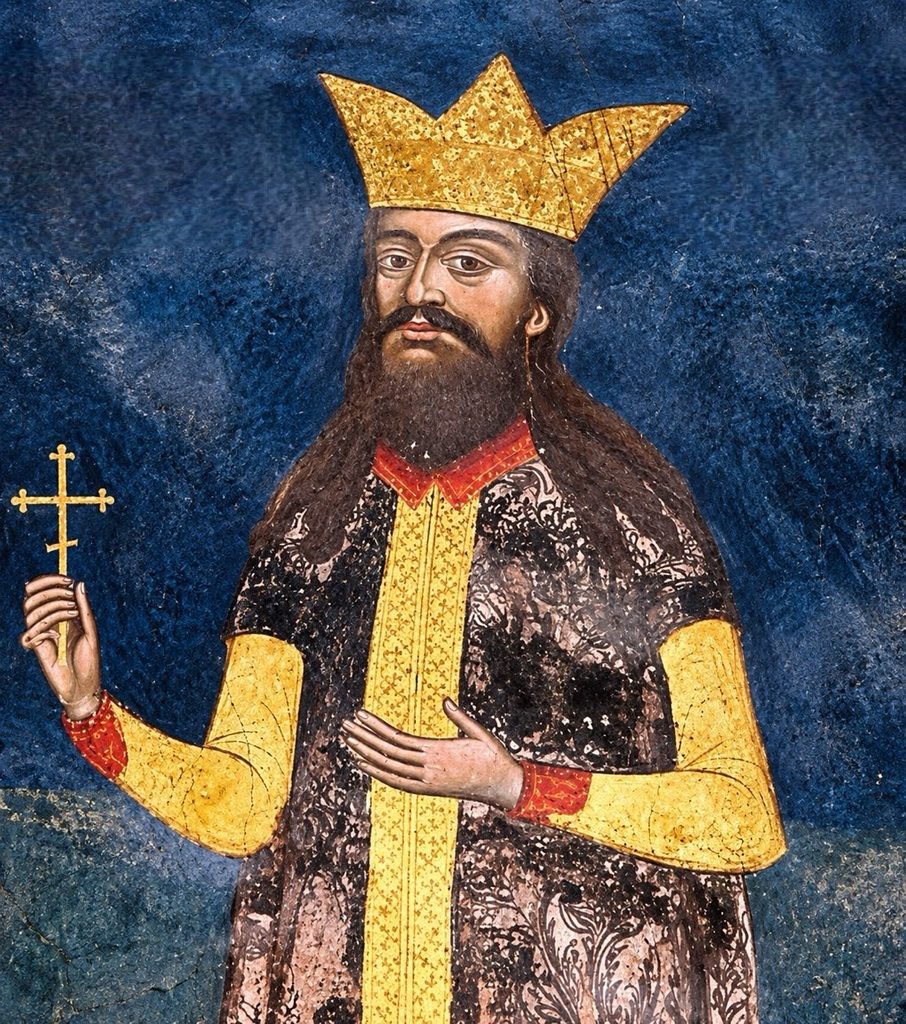
Later portrait of Basarab Laiotă cel Bătrân at Horezu Monastery, painted in the 17th century.
Meet the Ruler
Basarab Laiotă cel Bătrân was a ruler of Wallachia during the turbulent 1470s (1473, 1474, 1475-1476, 1476–1477), a period marked by rival claims to the throne and political struggles involving neighbouring powers.
He held the Wallachian throne on several occasions as competing claimants fought for control of the principality. His reign reflects the difficult political circumstances of the time, when alliances with the Kingdom of Hungary and the Ottoman Empire could influence who ruled Wallachia.
Basarab Laiotă belonged to the Dănești branch of the ruling family, one of the rival lines associated with the Basarab dynasty. His story forms part of a complex chapter in the medieval history of Wallachia.
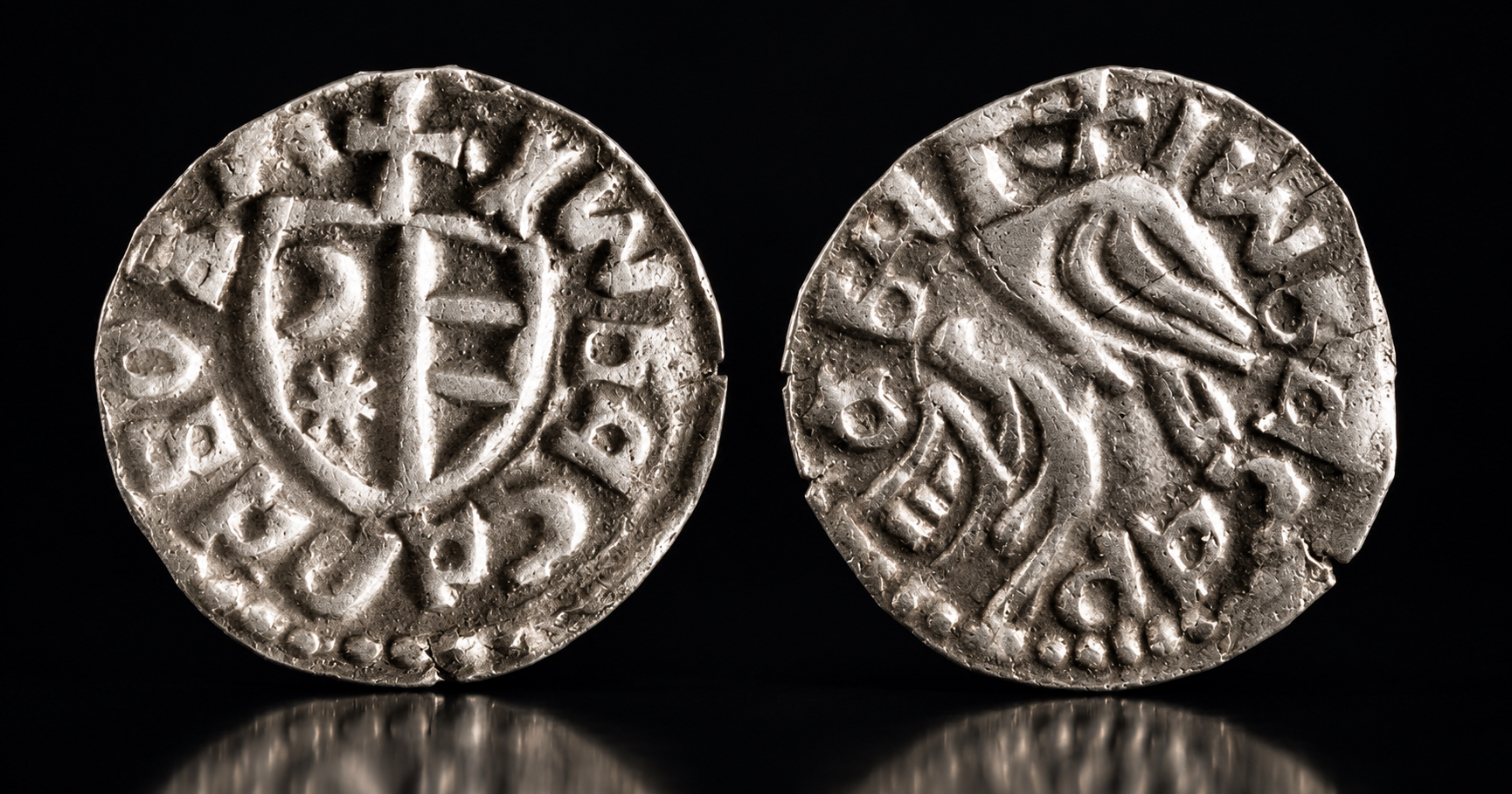
Rare Wallachian silver ducat issued during the reign of Voivode Basarab III Laiotă (1473-1477). Obverse: Split heraldic shield of the Basarab dynasty featuring a crescent and star. Reverse: Helm surmounted by an eagle holding a cross. Collection of the Numismatic Cabinet of the Library of the Romanian Academy.
Download Your Colouring Page
Bring this medieval ruler to life with your own colours!
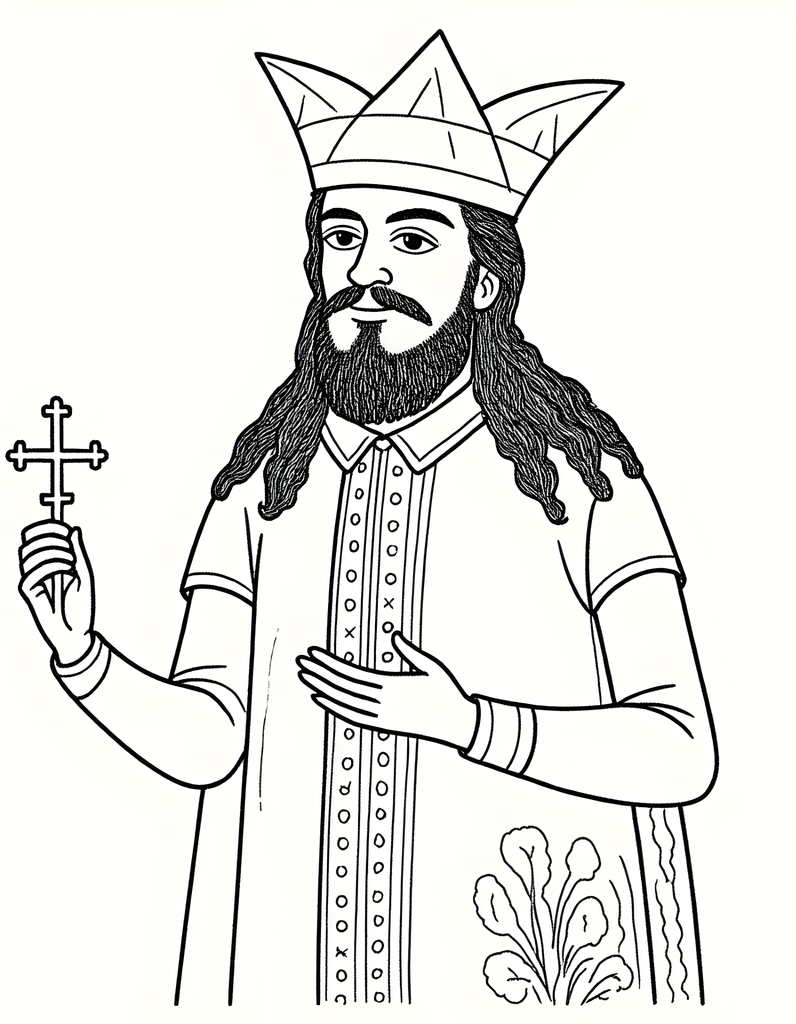
For personal, educational, and classroom use.
Download the colouring page via Google Drive, as described in our Privacy Policy.
Handout: Basarab Laiotă
Select your preferred language to download the short historical profile (PDF):
Colour the Past
This colouring page is inspired by a later painting of Basarab Laiotă cel Bătrân preserved at Horezu Monastery in Wallachia.
Created long after his lifetime, the portrait reflects the way medieval rulers continued to be remembered through religious art and historical tradition.
Did You Know?
- He ruled Wallachia more than once.
Basarab Laiotă held the throne during several separate periods in the 1470s, amid ongoing struggles between rival claimants.
- His name means “Basarab the Elder.”
The Romanian epithet cel Bătrân distinguishes him from other rulers who bore the name Basarab.
- His portrait survives at Horezu Monastery.
A later painting at the monastery preserves his image in the artistic tradition of Wallachia, offering a glimpse of how earlier rulers were remembered by later generations.
Continue exploring the rulers of Wallachia through our growing collection of colouring pages and historical introductions.
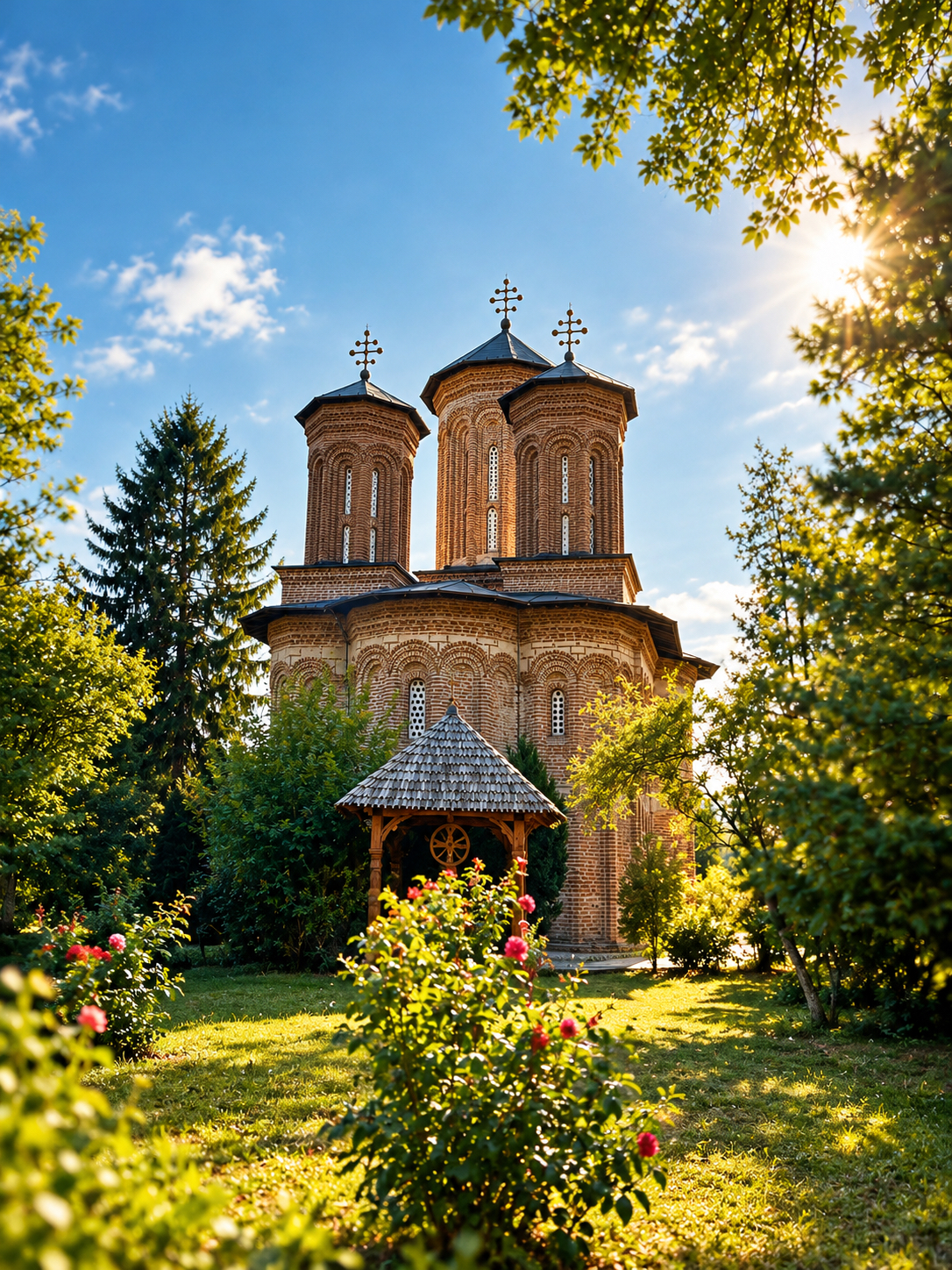
Mănăstirea Snagov, one of the historic monastic foundations patronised and endowed with privileges and estates by Voivode Basarab III Laiotă during his reigns in the 1470s. Educational collection, Basarab Heritage.