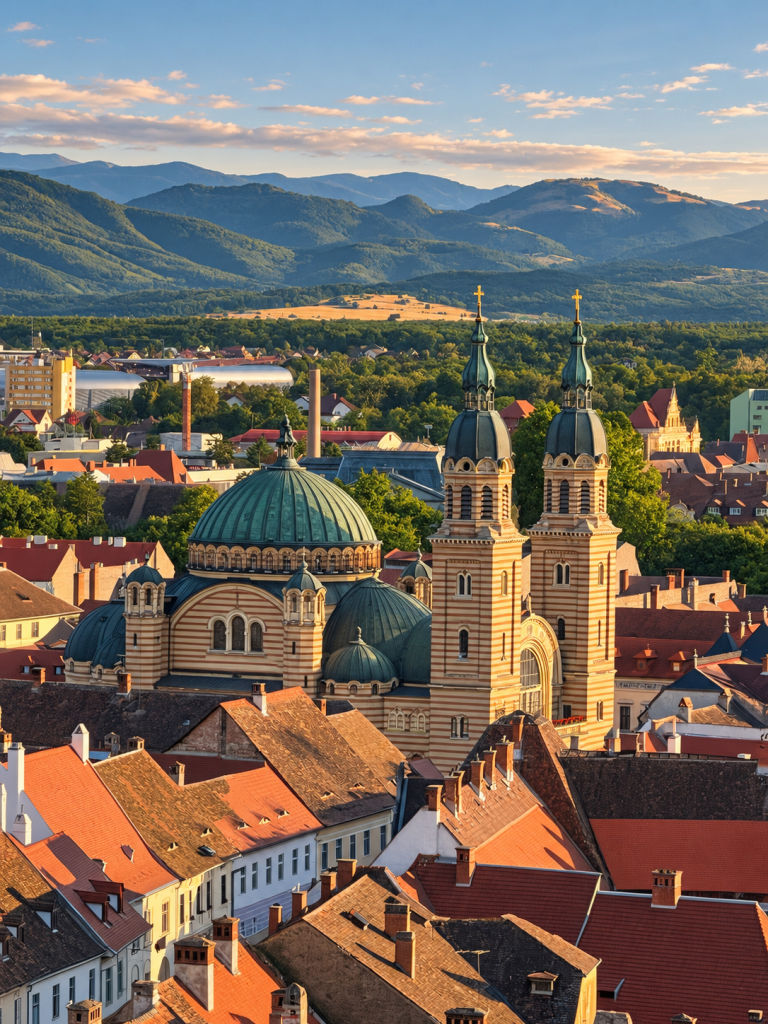
Transylvania
Exploring the intra-Carpathian crossroads of cultures. From medieval citadel towns like Brașov and Sibiu to imposing Gothic monuments and fortified churches, Transylvania represents a complex landscape of architectural fusion, sovereign strongholds, and enduring cultural continuity.
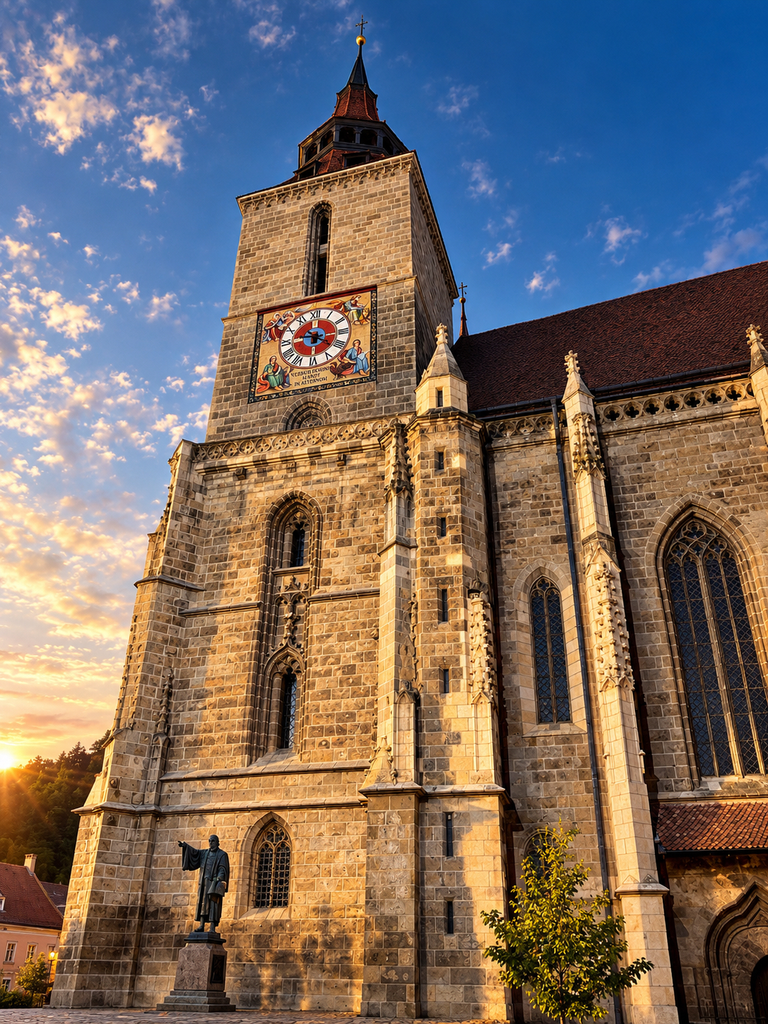
On Princely Traces
Transylvania
Every location presented in this collection has been personally selected and visited by Vladislav Carol Nicolae. Only sites documented firsthand through on-site exploration and personal observation are featured, ensuring an authentic and deeply grounded perspective on the region’s heritage.
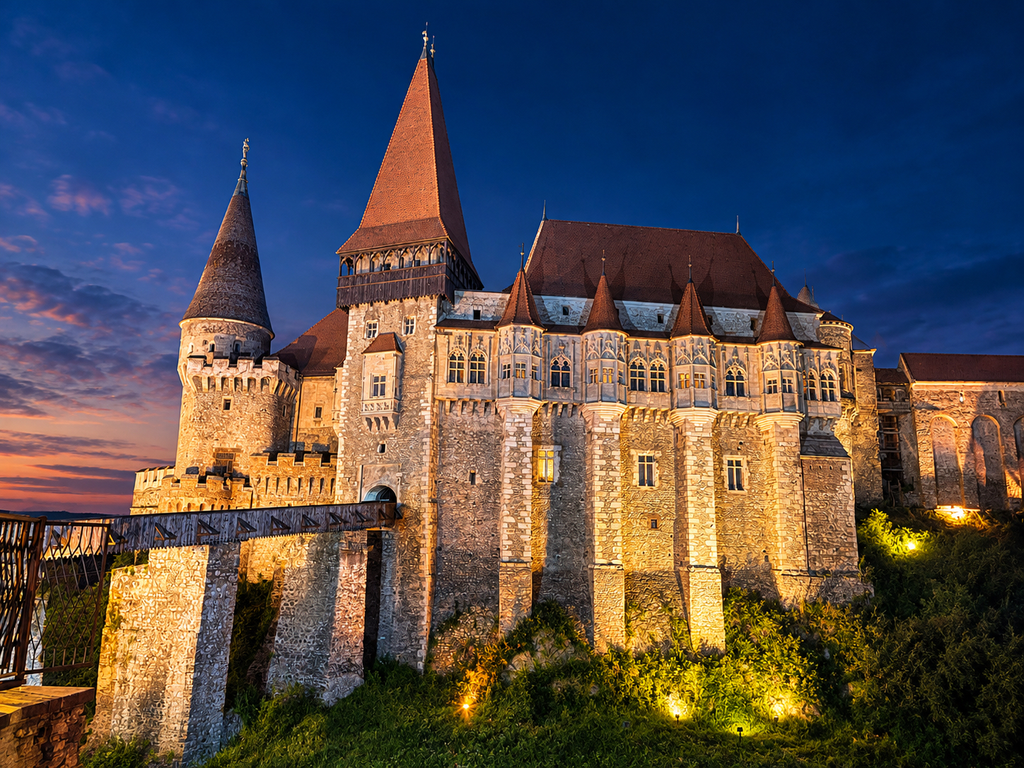
The monumental architecture of Corvin Castle (Castelul Corvinilor) in Hunedoara – the ancestral seat of the Hunyadi family, featuring imposing Gothic towers, defensive bastions, and refined Renaissance additions that reflect centuries of strategic and political influence in Transylvania.
Beyond Vampire Myths
Unveiling the true Transylvania – looking past vampire folklore to reveal a rich tapestry of medieval citadels, architectural fusion, and genuine historical substance.
While popular literature and Hollywood narratives have wrapped Transylvania in shadows and sensationalized legends, the real history of the region is far more captivating. Beyond the vampire myths lies a landscape defined by centuries of cultural intersection, formidable Gothic strongholds, and unique saxon fortified churches.
Below, you will find an alphabetical directory of sites documented firsthand across Transylvania alongside my latest field entries. Each feature invites you to discover the authentic legacy of this historic region -offering a clear perspective that replaces gothic tropes with real monuments and enduring heritage.
Vladislav Carol Nicolae
Because Transylvania is far too rich in history to remain hidden behind ghost stories.
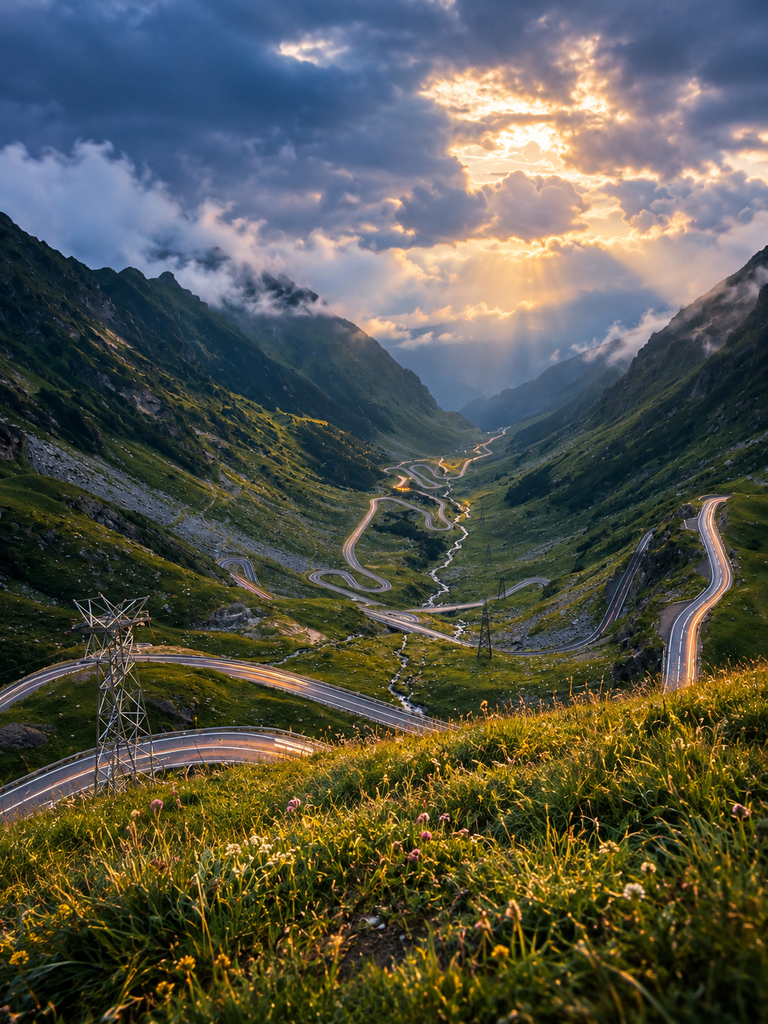
1. The dramatic high-altitude pass across the Făgăraș Mountains, historically bridging the southern principality of Wallachia with Transylvania through the Southern Carpathians.
From the dramatic mountain passes of the Făgăraș mountains to fortified citadels and traditional wooden craftsmanship, Transylvania’s landscape represents a unique harmony between natural strongholds and enduring cultural architecture.
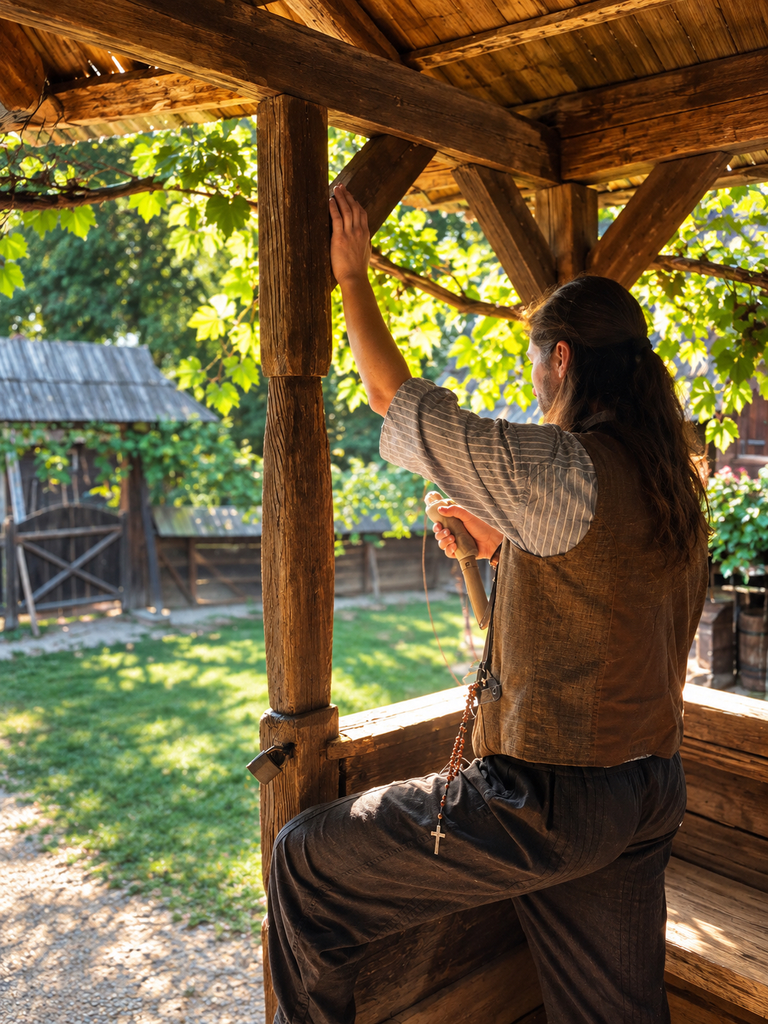
2. Vladislav Carol Nicolae during on-site documentation at the ASTRA Museum in Sibiu, examining traditional vernacular timber architecture and historic rural craftsmanship from across the historic regions.
Index of Featured Heritage Sites
An alphabetical directory of historic monuments, fortified churches, and citadel towns across Transylvania.
Brașov
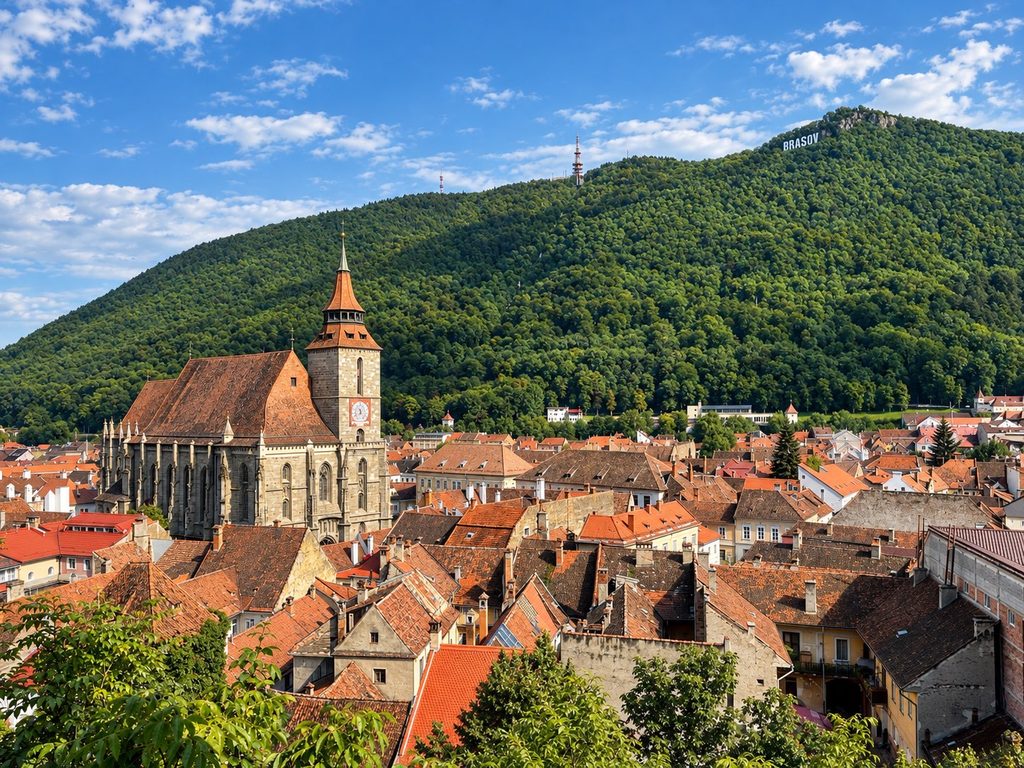
- Biserica Neagră (The Black Church)
The most prominent Gothic monument in Southeastern Europe, featuring an imposing stone structure and a historic collection of Anatolian carpets. - Casa Sfatului (The Old Town Hall)
The historic council house situated in the heart of the Council Square, marking centuries of civic and mercantile autonomy.
Sibiu
- Catedrala Evanghelică (The Evangelical Cathedral)
The magnificent Gothic landmark in the Huet Square, serving as a spiritual and architectural focal point of the historic citadel. - Muzeul ASTRA
The vast open-air museum preserving traditional vernacular timber architecture, watermills, and rural homesteads from across the historic regions.