
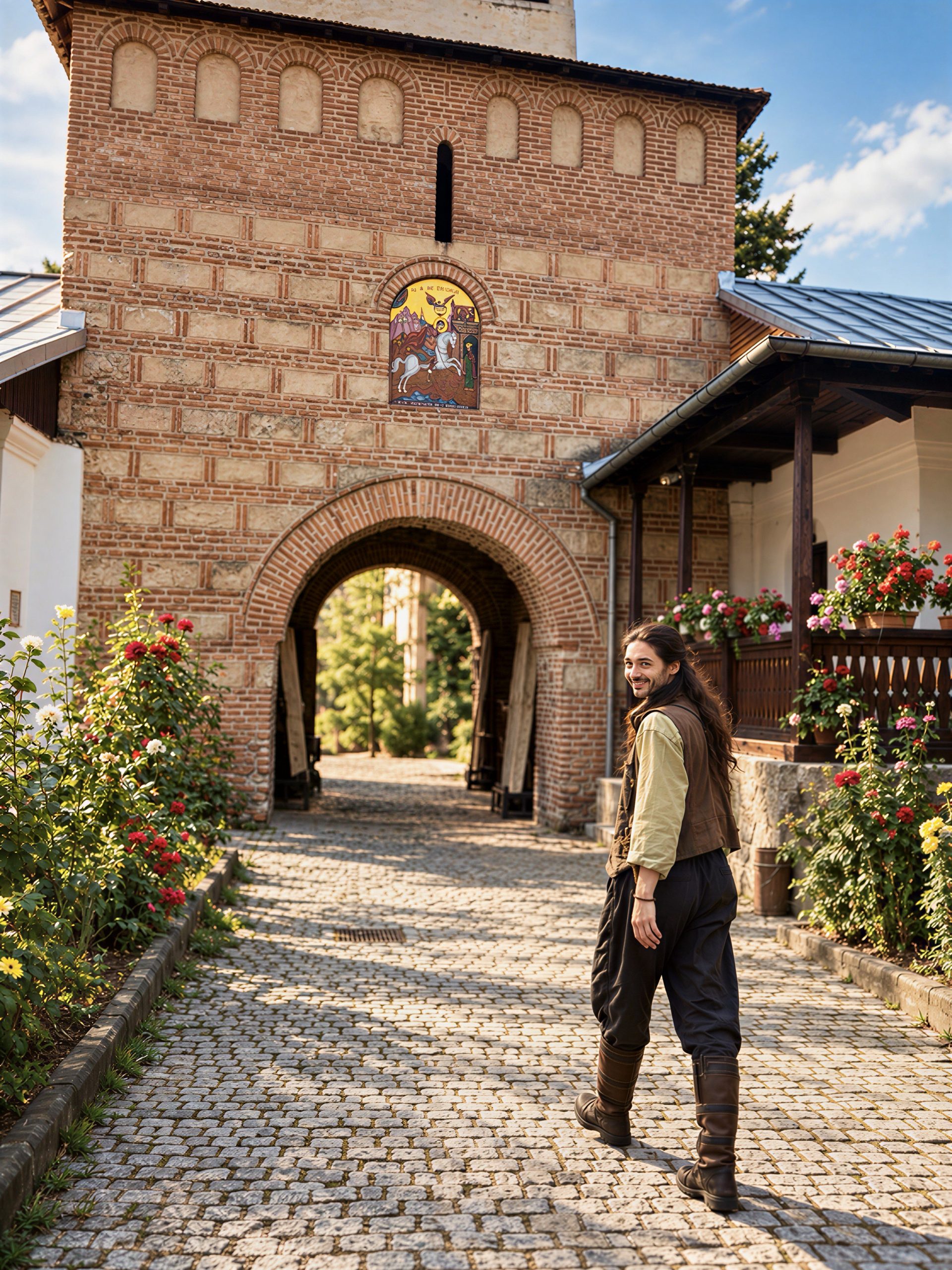
In the historic centre of Târgoviște, close to the remains of the former Princely Court, stands Stelea Monastery, a foundation whose history reaches considerably further back than the imposing church visible today.
The monastery is documented by 1582, when the ruler Mihnea Turcitul confirmed the possessions associated with the foundation established by Stelea, a prominent dignitary and merchant. Archaeological research, however, has revealed that the site was already occupied by substantial stone buildings in the fifteenth century. These remains include structures associated with commercial activity, among them a large stone building that may have served as a warehouse. The site thus offers a glimpse not only into the religious history of Târgoviște, but also into the urban and commercial life of the medieval city.
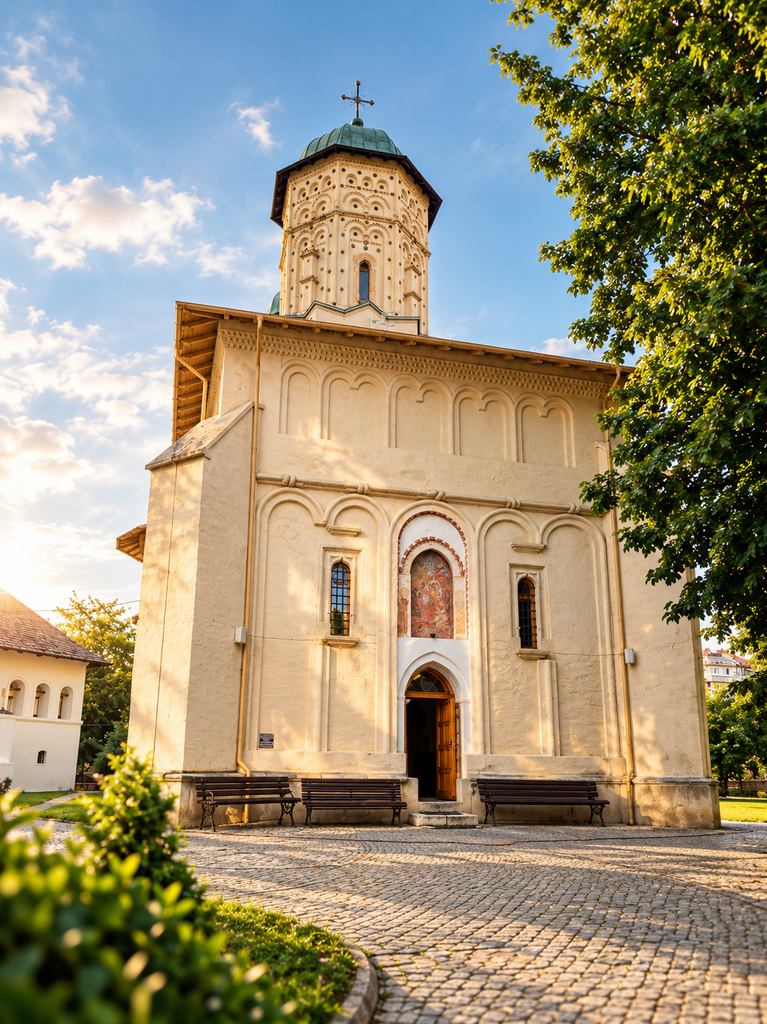
The present church belongs to a later chapter in the monastery’s history. In 1644-1645, Vasile Lupu, Prince of Moldavia, rebuilt the foundation, leaving a significant architectural landmark in the former Wallachian capital. The undertaking is particularly noteworthy in the context of the close yet sometimes politically tense relationship between Moldavia and Wallachia during the reigns of Vasile Lupu and Matei Basarab.
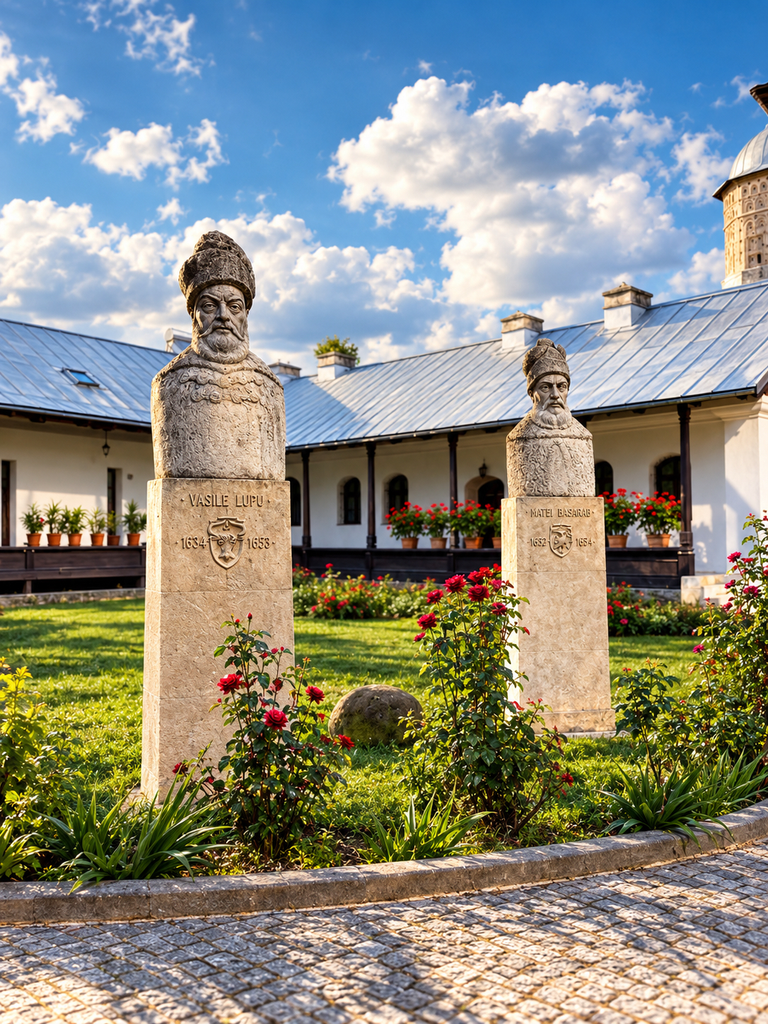
Stelea’s history therefore extends beyond the boundaries of a single principality. Its architectural and historical significance reflects the wider cultural and political world shared by Moldavia and Wallachia, while its location in the heart of Târgoviște placed it within the daily life of the princely capital.
The monastery also retained an economic dimension long after its medieval beginnings. The church was reportedly known locally as the “Church of the Merchants” into the early twentieth century, a name that recalls the foundation’s enduring association with the commercial life of the city.
The surviving ensemble comprises more than the church alone. Its bell tower, monastic cells, enclosure walls, houses and cellars bear witness to successive phases in the development of Târgoviște, from the medieval city to the age of the seventeenth-century princes and beyond. Archaeological investigations conducted during the twentieth century helped bring earlier phases of the site’s history to light, revealing a more complex past than the present-day buildings alone might suggest.
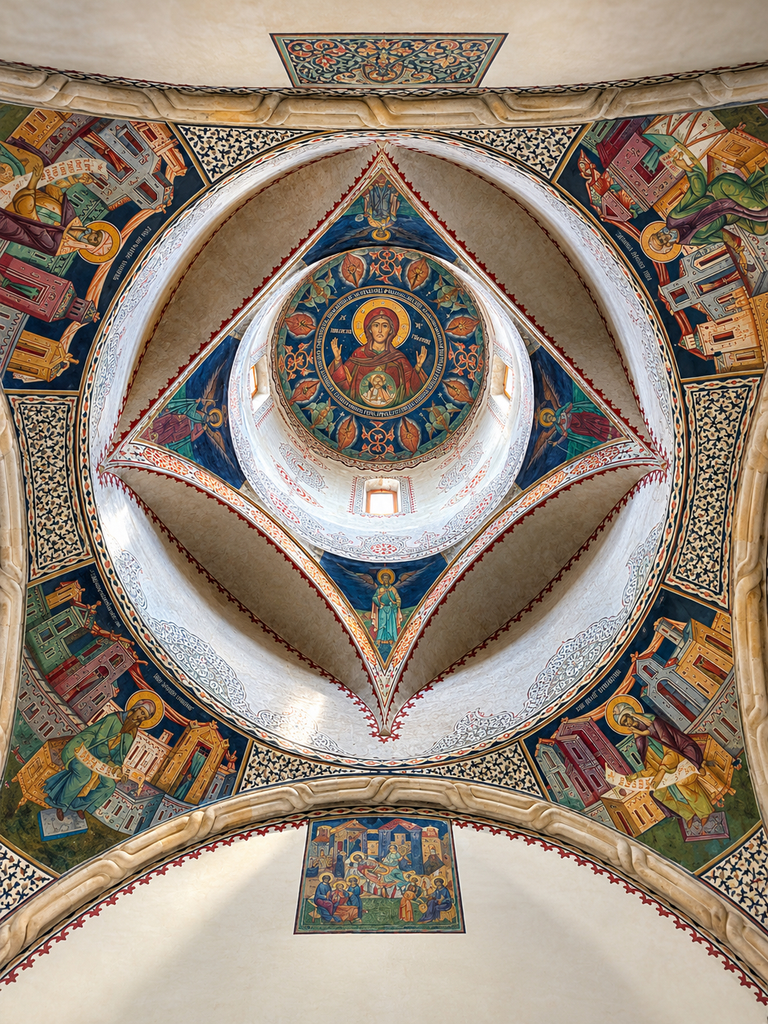
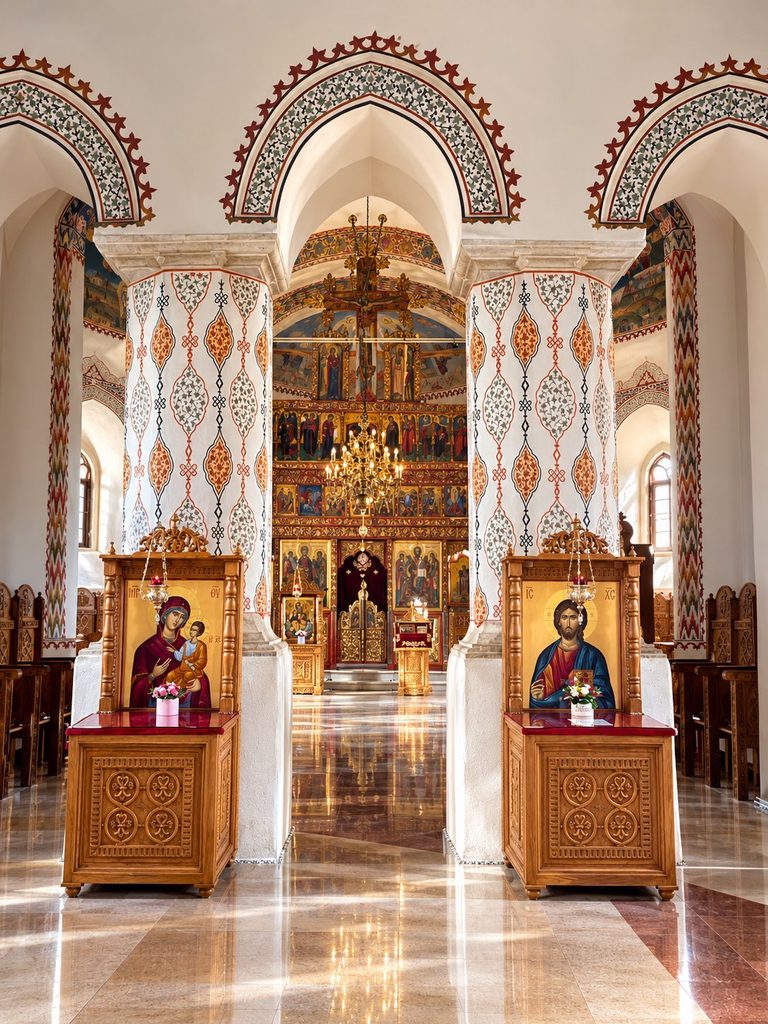
The accompanying photographs were taken during a recent visit by Vladislav Carol Nicolae. They document a historic site in which architecture, archaeology and religious tradition come together, offering a glimpse into the many centuries that shaped Târgoviște.
Basarab Heritage
— A.C.
Visitor Information
Stelea Monastery (Mănăstirea Stelea)
Strada Stelea 6
130018 Târgoviște, Dâmbovița County Romania
For information about visiting hours and access to the monastery complex, visitors are advised to check the official Târgoviște City tourism portal before their visit.