
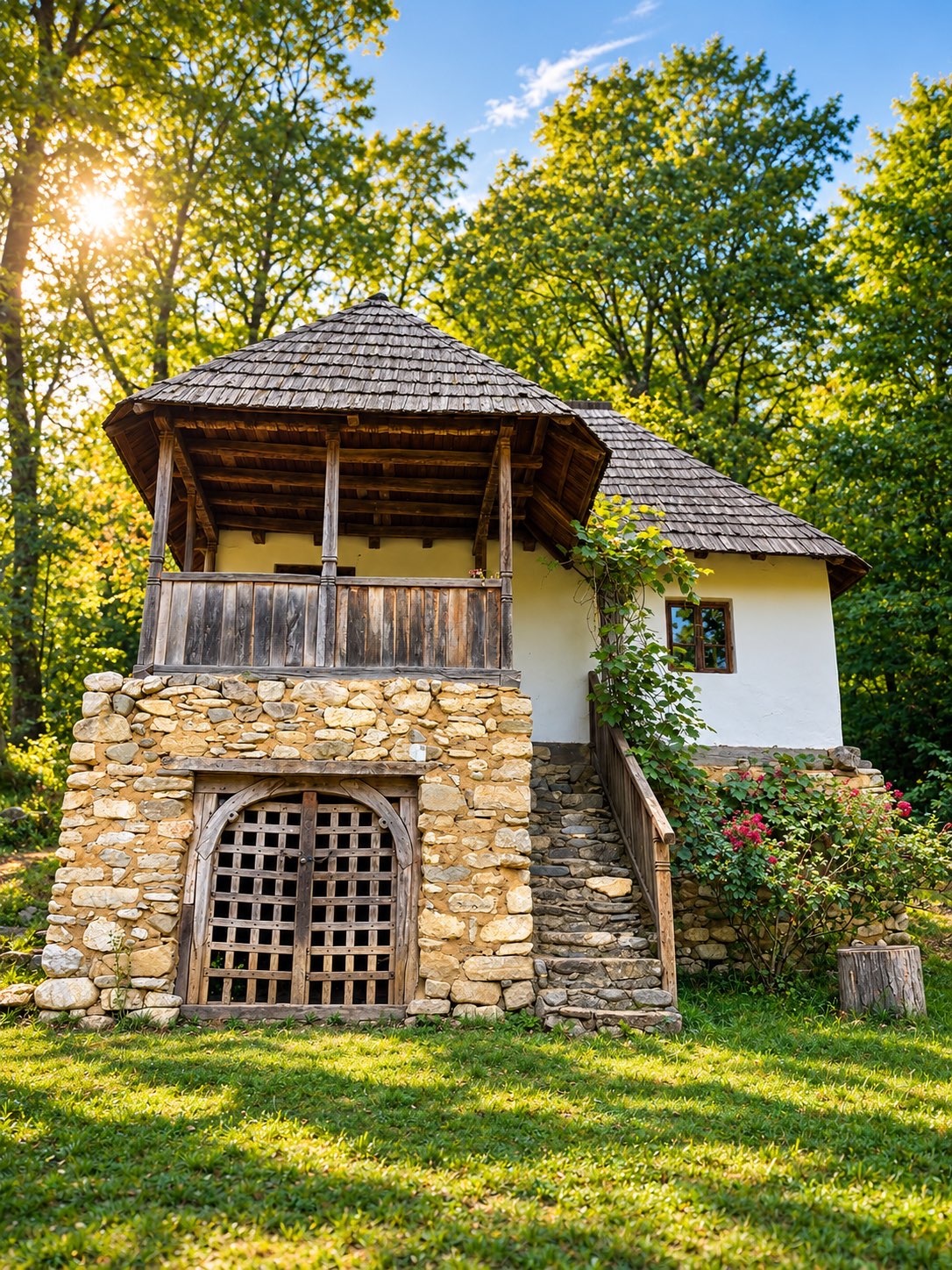
Among the trees and meadows of Dumbrava Sibiului, traditional houses, wooden churches, workshops and historic installations offer a glimpse into the lives of earlier generations. The ASTRA Museum preserves more than buildings and objects: it safeguards the knowledge, skills and cultural traditions that shaped everyday life across Romania.
A Village Within the Forest
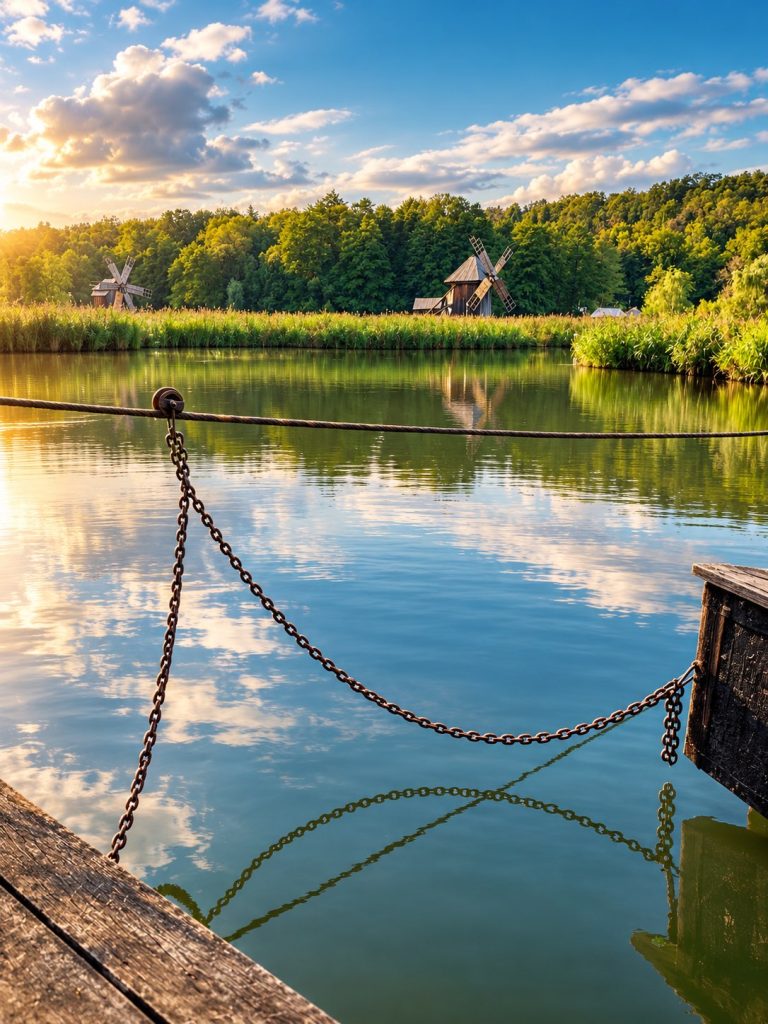
A short distance south of Sibiu, in the wooded landscape of Dumbrava Sibiului, lies one of Romania’s most remarkable open-air museums. Paths wind between traditional houses, wooden churches, workshops, mills and farm buildings, creating a landscape in which architecture and nature exist in close dialogue.
Here, history can be encountered at a human scale. A doorway worn by generations of use, a carefully constructed wooden roof, the arrangement of a rural household or the machinery of an old mill can reveal something of the people who built, maintained and used these places.
The ASTRA Museum invites visitors to look beyond the familiar monuments of political and religious history. It brings attention to the homes, occupations, practical knowledge and spiritual traditions through which communities shaped their daily lives.
Rather than presenting the past solely through written records or isolated objects, the museum offers an opportunity to explore the material world in which earlier generations lived and worked.
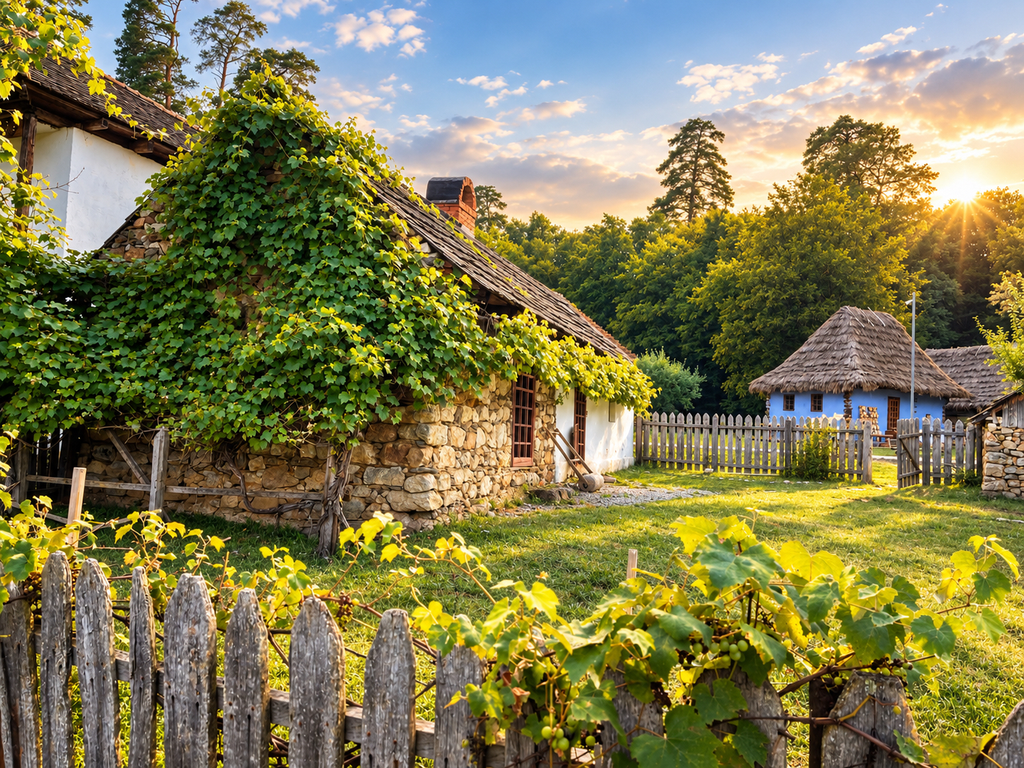
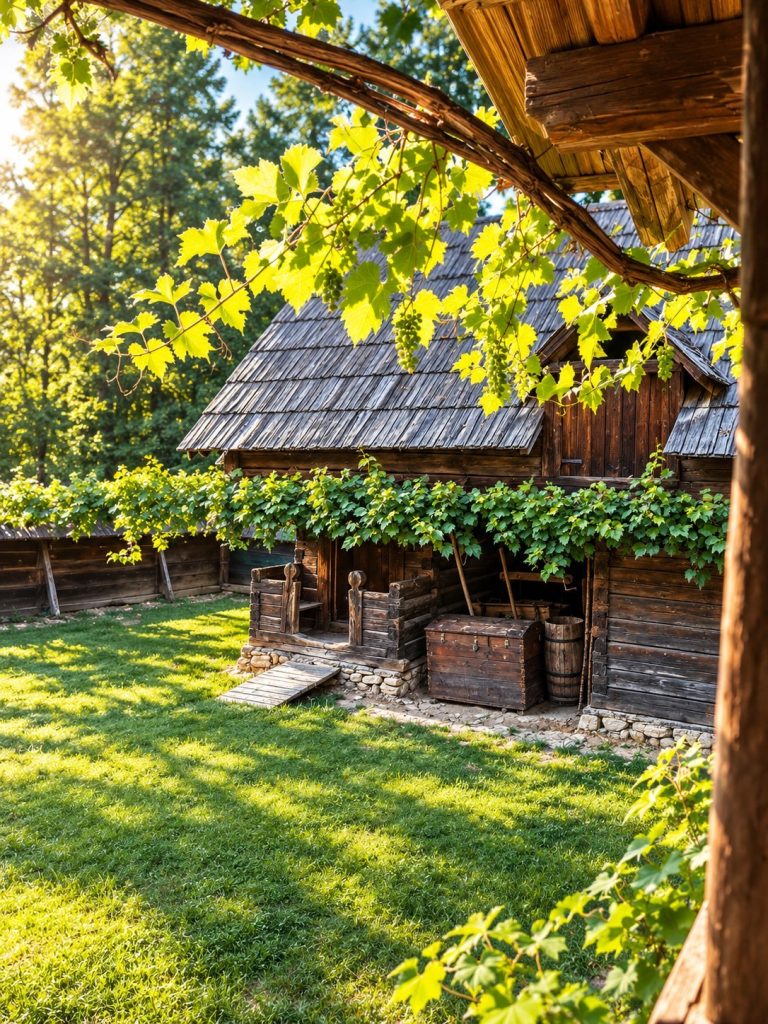
Traditional rural architecture embedded in the wooded landscape of Dumbrava Sibiului at the ASTRA Museum.
From an Ethnographic Vision to a National Museum Complex
The history of ASTRA Museum is closely connected with the cultural life of Sibiu and with the efforts to collect, study and preserve the heritage of Romanians in Transylvania.
The Transylvanian Association for Romanian Literature and the Culture of the Romanian People, known as ASTRA, was founded in 1861. Its activities included the promotion of education, literature, cultural knowledge and the preservation of Romanian traditions. An ethnographic exhibition was presented in Sibiu in 1905 as part of the Association’s museum, establishing an important foundation for the later development of the institution.
This early museum was closed in 1950, and its collections were transferred to the Brukenthal Museum. The idea of creating a large open-air museum was subsequently revived through the work of ethnographer Cornel Irimie and his colleagues.
In 1963, the establishment of the Museum of Folk Technology began in Dumbrava Sibiului. Its permanent outdoor exhibition officially opened to the public on 17 October 1967. The museum was conceived around the material evidence of traditional occupations and technologies, presenting the buildings, tools and installations through which people had cultivated land, processed natural resources, produced goods and organised their households.
In 1990, the institution received the name ASTRA Museum of Traditional Folk Civilization, recognising its connection with the earlier Association’s Museum and its cultural mission. In 2001, it became part of the ASTRA National Museum Complex, bringing together several collections devoted to different aspects of ethnography and cultural history.
The museum’s development reflects a continuing effort to preserve material heritage while making it accessible to new generations.
Architecture That Tells a Story
One of the most striking features of the open-air museum is the variety of its buildings. Traditional houses, farmsteads, barns, workshops and other structures represent different regions and ways of life across Romania.
Their differences are meaningful. Building materials, roof forms, room arrangements and construction techniques were shaped by local environments, available resources, economic activities and inherited knowledge. A rural dwelling was not simply a place of shelter: it formed part of a wider household system, connected to storage, food production, animal husbandry and the work carried out throughout the year.
The arrangement of buildings can therefore tell us as much as their individual architectural features. A house, stable, barn and workshop together reveal something of how a household organised its labour and resources. The relationship between indoor and outdoor spaces also reflects the rhythms of agricultural and domestic life.
The museum’s buildings should not be understood as a single architectural style or as evidence of an entirely uniform rural culture. They represent different local traditions, each shaped by its own historical and geographical circumstances.
Their presence together allows visitors to compare these traditions and to recognise the diversity of the landscapes and communities from which they came.
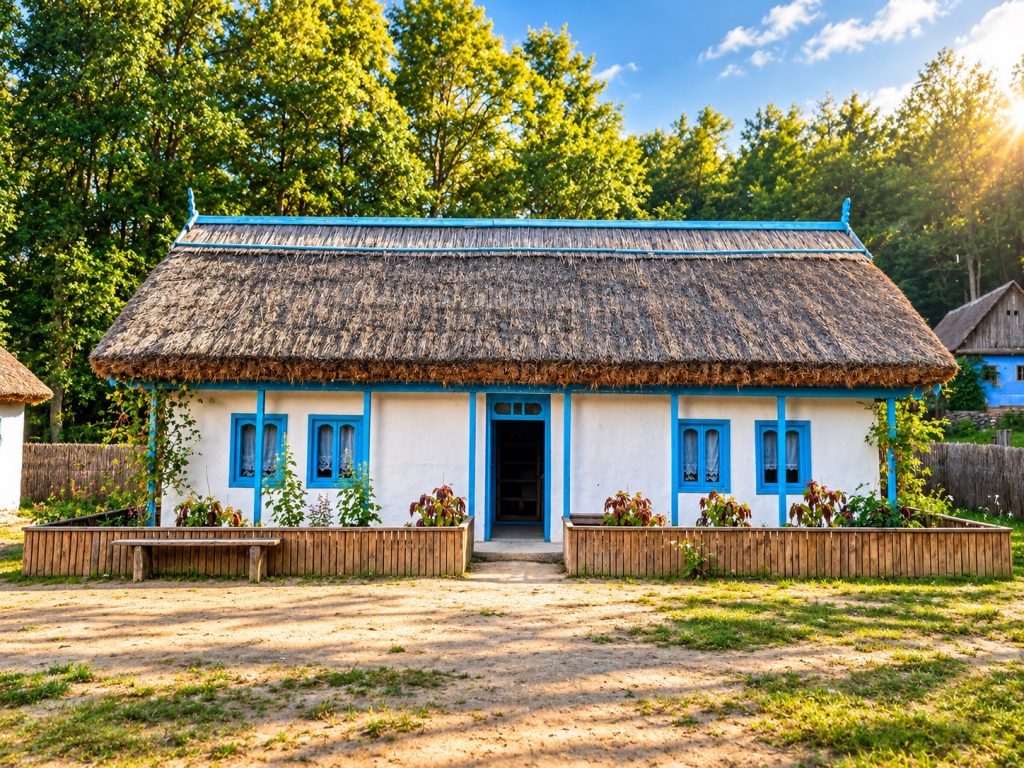
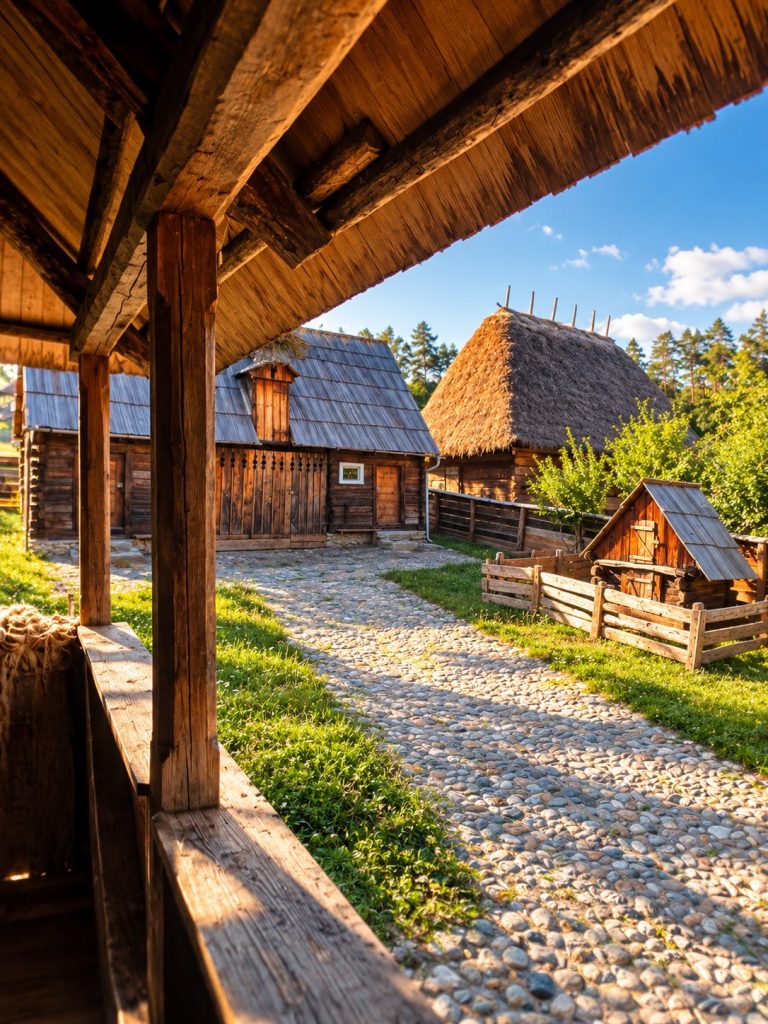
Traditional vernacular architecture featuring characteristic vibrant woodwork and thatched roofing at the ASTRA Museum.
Craft, Technology and the Knowledge of Everyday Life
The ASTRA Museum also preserves evidence of the ingenuity embedded in traditional work.
Mills, workshops, agricultural installations and tools demonstrate how communities adapted natural resources to practical needs. Water, wind, timber, stone, metal, clay, animal fibres and plant materials all played important roles in the production of food, clothing, household objects and building materials.
Such objects are more than reminders of technologies that have become less common. They preserve traces of knowledge acquired through observation, experience and practice, often transmitted from one generation to the next.
A mill, for example, represents not only a particular mechanism but also a relationship between water or wind, the surrounding landscape and the production of food. A workshop brings together tools, materials and specialised skills. A traditional household reveals the close connection between domestic life and productive labour.
These settings help us understand that the history of technology is not confined to major inventions or industrial machines. It also belongs to the small-scale solutions developed by communities over centuries.
The museum’s collections provide a setting in which these practical achievements can be studied, compared and appreciated.
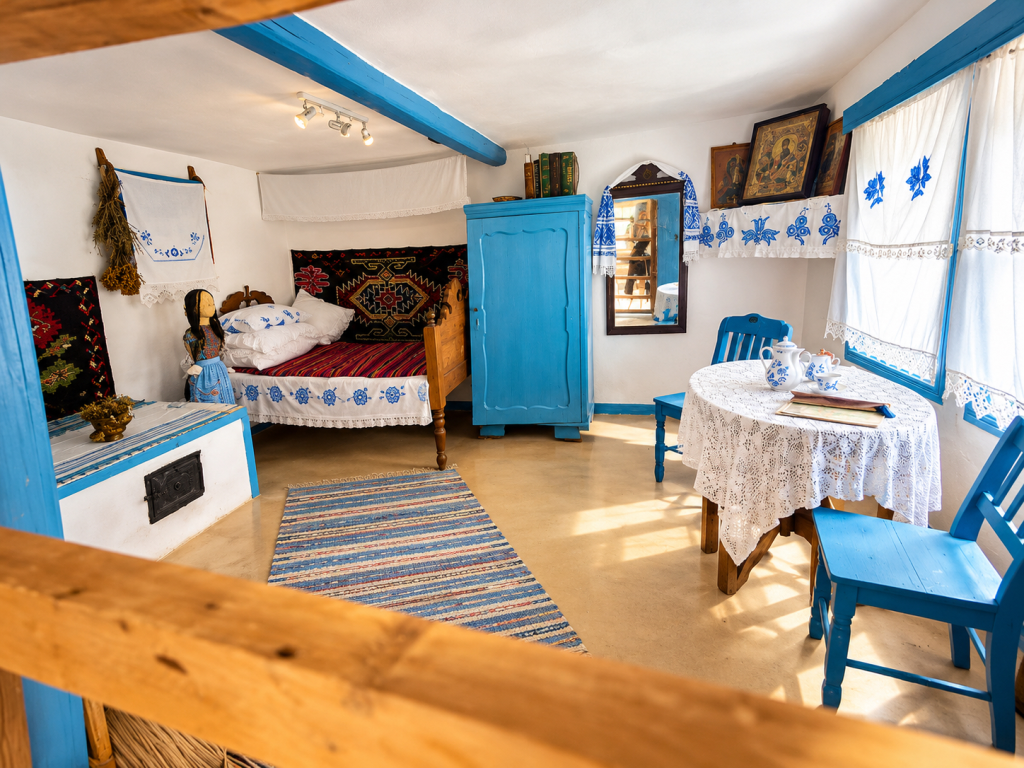
Authentic interior of a traditional dwelling, illustrating the material culture and domestic space of everyday rural life.
Faith, Community and the Rural Landscape
Religious life also formed an important part of the traditional communities represented at ASTRA Museum. Wooden churches, wayside shrines and other sacred structures occupy a place within the wider landscape of houses, fields and workshops.
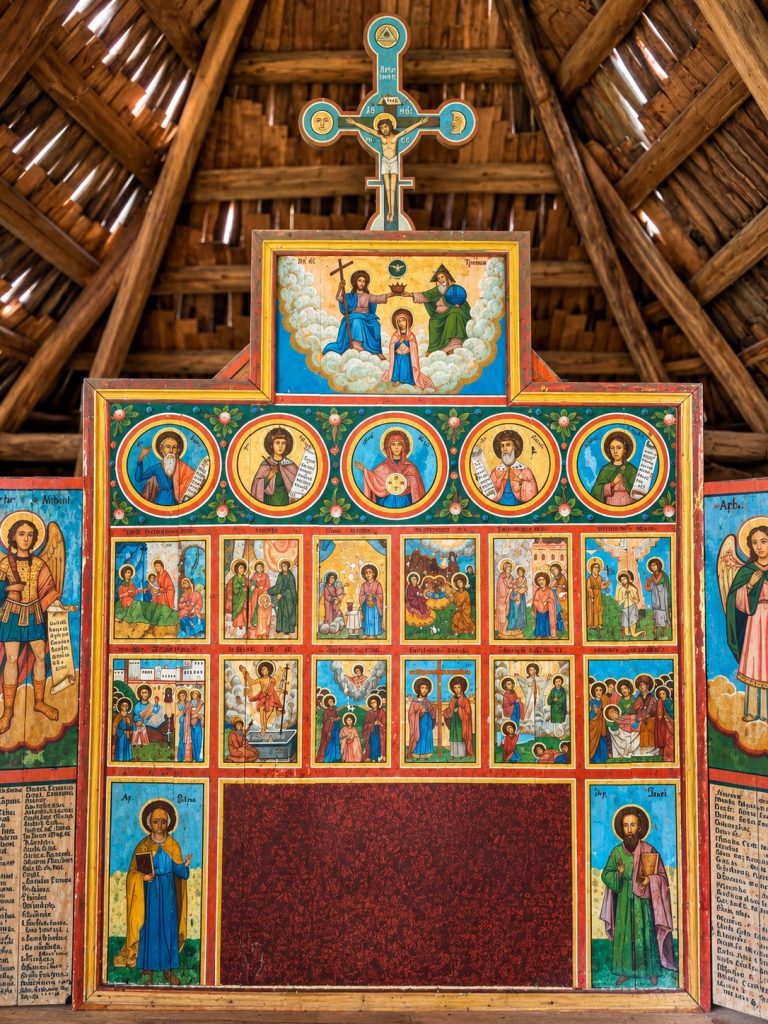
In many communities, the church was more than a place of worship. It provided a setting for collective religious observance, marked significant moments in the lives of individuals and families, and helped organise the rhythm of the year through feasts, fasts and local customs.
Wooden churches are particularly valuable expressions of traditional building knowledge. Their construction required an understanding of timber, joinery, proportion and the practical demands of maintaining a sacred building. Their architectural forms and decorative details also reflect the religious traditions and local artistic practices of the communities that built them.
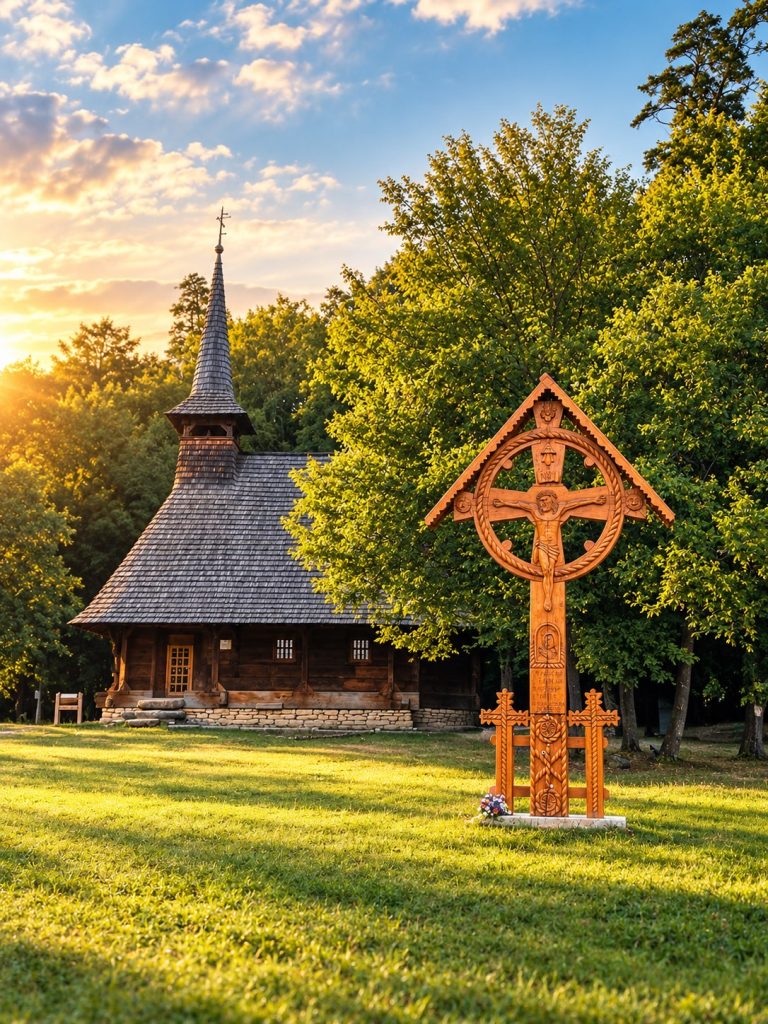
Yet sacred buildings should not be treated merely as picturesque elements within a rural setting. They belonged to living communities and carried meanings that extended beyond their physical form.
Seen in this context, the museum offers an opportunity to consider how faith, craftsmanship and community life intersected in the historical landscape of Romania.
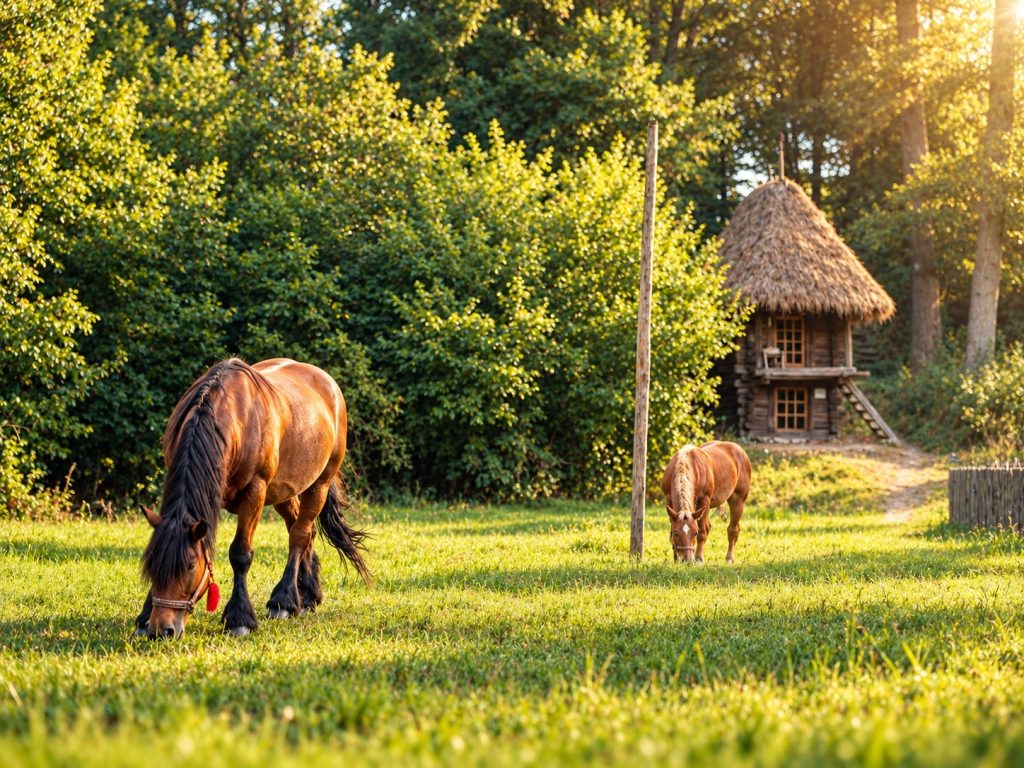
Horses grazing in the meadows of Dumbrava Sibiului, reflecting the living rural landscape preserved at the ASTRA Museum.
A Shared Cultural Heritage
Although the open-air museum is especially known for its representation of Romanian rural life, the wider ASTRA National Museum Complex preserves a broader range of ethnographic heritage.
Its collections include Romanian traditions, the heritage of the Transylvanian Saxons and other cultural communities, as well as collections devoted to cultures beyond Europe. The Emil Sigerus Museum of Saxon Ethnography and the Franz Binder Museum of Universal Ethnography form part of this wider institutional landscape.
This breadth is particularly meaningful in the context of Transylvania, a region whose history has been shaped by the presence and interaction of different communities.
Cultural traditions developed through distinct local histories, but they also existed in a world of exchange: through trade, neighbouring settlements, shared landscapes and changing political circumstances. Recognising this complexity allows the region’s heritage to be understood without reducing it to a single identity or a uniform historical experience.
The ASTRA Museum’s collections encourage visitors to approach cultural heritage with curiosity and care, recognising both the particular character of individual traditions and the wider historical setting in which they developed.
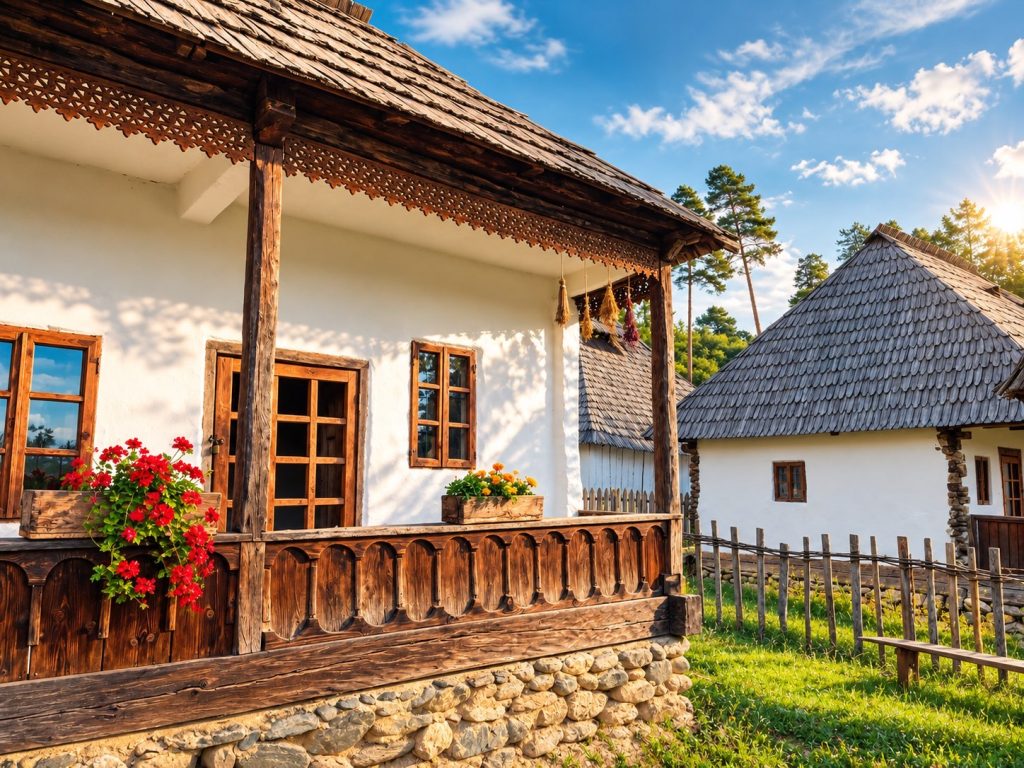
Intricate woodworking and traditional porch architecture (prispă) preserved at the ASTRA Museum.
Preserving the Past, Inspiring the Future
A museum of traditional life inevitably raises a question: what does it mean to preserve a world that has changed?
The buildings and objects displayed at ASTRA Museum are not simply remnants of a vanished age. They are material evidence of human adaptation, creativity and continuity. They show how people responded to their surroundings, organised their work, built their homes and expressed their beliefs.
At the same time, a museum is not an untouched village frozen in time. Buildings and objects have been collected, transferred, conserved and presented within a new setting so that they can be studied and understood. Their preservation requires continuing research, specialist care and thoughtful interpretation.
This process is itself part of the history of heritage. It reflects the choices made by successive generations about what should be preserved and how knowledge of the past should be shared.
In this sense, ASTRA Museum is not only a place of remembrance. It is also a place of learning, where traditional skills and forms of knowledge can inform contemporary discussions about sustainability, craftsmanship, architecture and the relationship between communities and their environment.
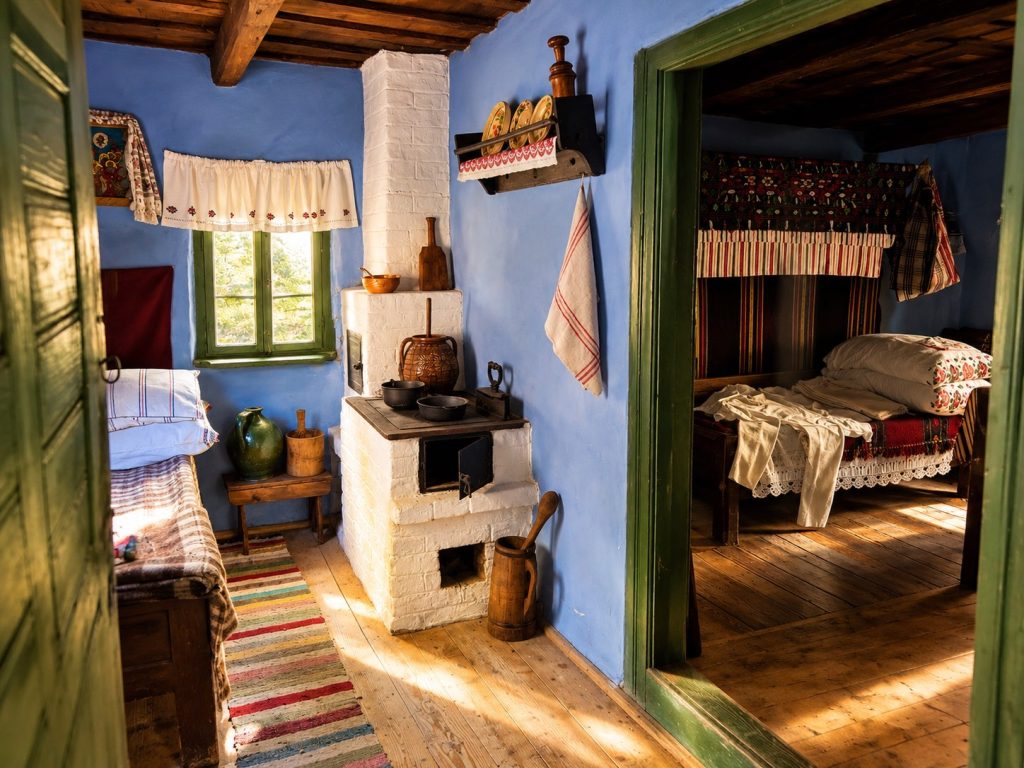
A view into the living quarters of a traditional home, showcasing the functional arrangement of domestic spaces, hearth, and handwoven textiles.
A Personal Connection
For Basarab Heritage, the ASTRA Museum holds a special place. It is a favourite museum of Vladislav Carol Nicolae, whose appreciation for history and cultural heritage finds a natural expression in this remarkable landscape.
The museum offers a different perspective on the past from that provided by princely courts, fortresses and dynastic monuments. It draws attention to the people whose work sustained communities across generations, preserving the houses, tools, skills and traditions that formed the fabric of everyday life.
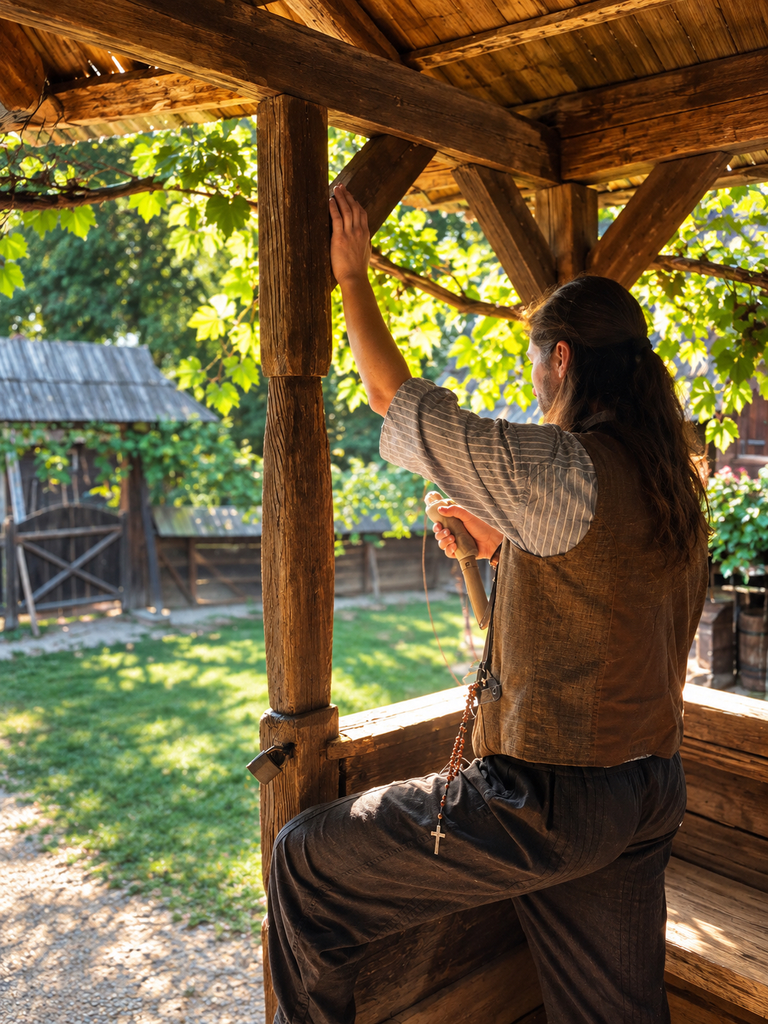
Our photographs from ASTRA Museum capture some of the details that make a visit so rewarding: the character of traditional architecture, the textures of old materials, the ingenuity of historic installations and the quiet presence of sacred buildings among the trees.
Together, these images offer a personal record of a place where cultural heritage can be encountered not only as history, but also as a continuing source of reflection and inspiration.
Heritage Beyond the Written Record
The history of a country is preserved in many forms. Chronicles and documents record political events and the lives of rulers; churches and fortresses bear witness to faith, authority and conflict. But houses, tools, workshops and the knowledge associated with them also form an essential part of the historical record.
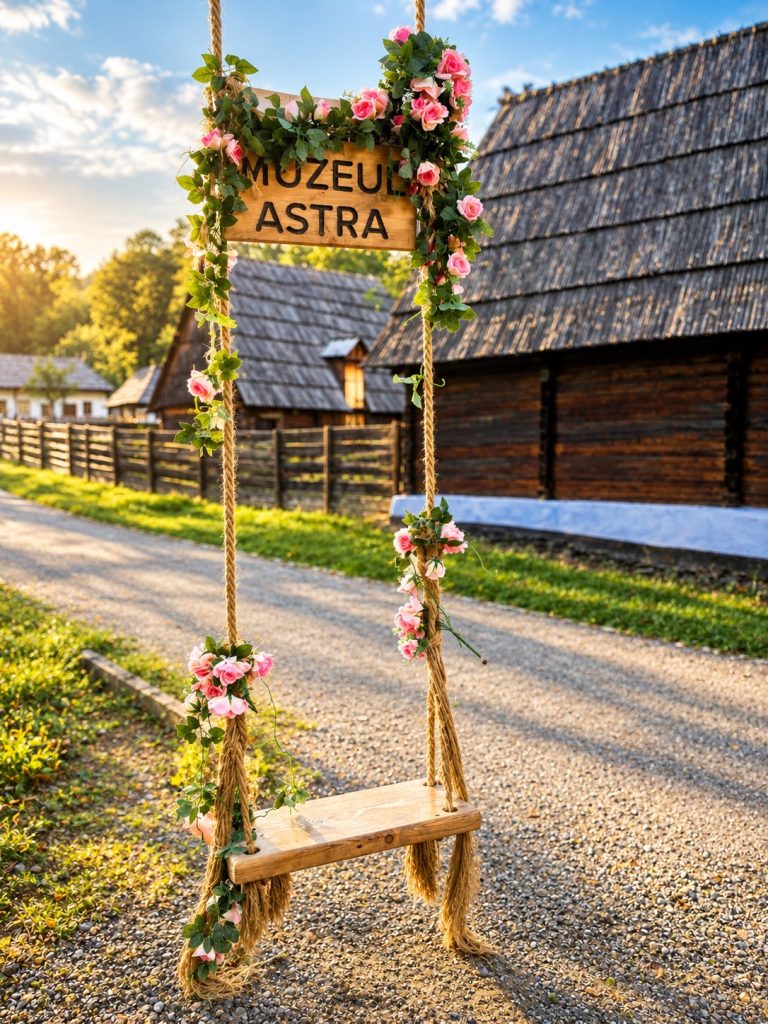
The ASTRA Museum in Sibiu reminds us that the past is not made up of great events alone. It is also the accumulated experience of people who built, cultivated, crafted, worshipped and cared for their communities.
By preserving these traces of everyday life, the museum helps make visible a dimension of history that can otherwise be overlooked.
For those interested in Romania’s cultural inheritance, a visit to ASTRA Museum offers an opportunity to discover the human stories behind the buildings and objects — and to reflect on the responsibility of preserving this heritage for generations to come.
The accompanying photographs were taken during visits to the ASTRA Museum in Sibiu and document selected buildings, objects and details within its open-air collections.
Basarab Heritage
— A.C.
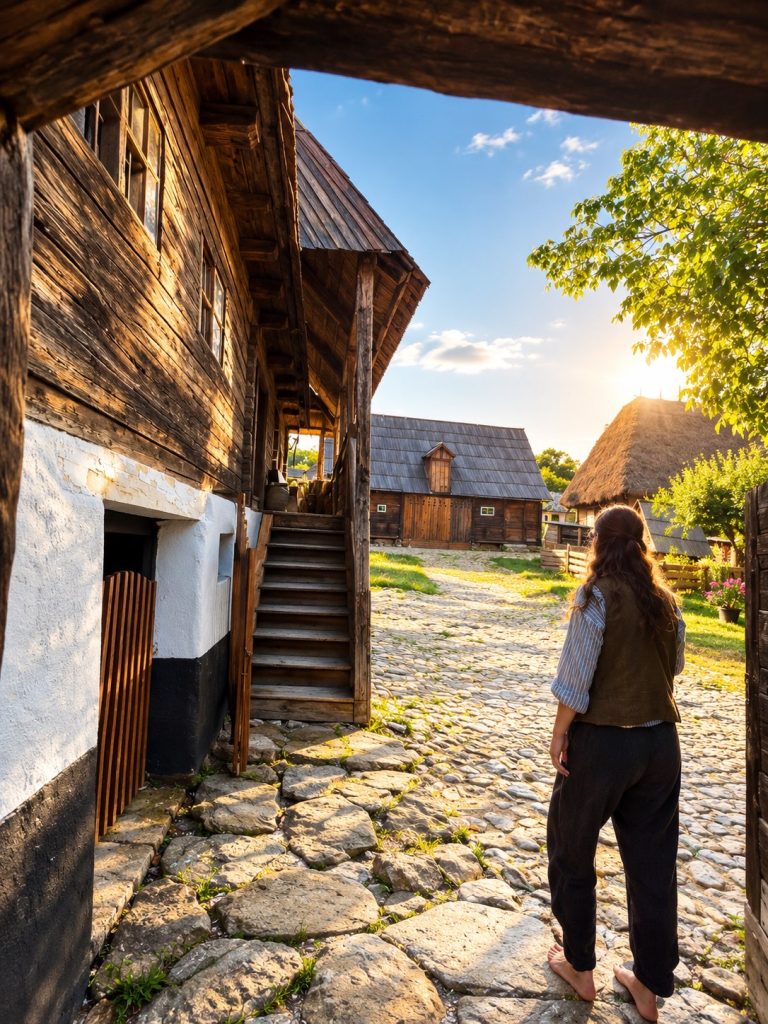
Visitor Information:
Location:ASTRA National Museum Complex (Complexul Național Muzeal ASTRA) Strada Pădurea Dumbrava 16-20, 550399 Sibiu, Romania
Planning Your Visit:The museum grounds in Dumbrava Sibiului extend across a large natural park landscape, making it ideal for extended visits throughout the year. Opening hours vary depending on the season, and special exhibitions or events are held regularly.
Official Website & Current Hours:For up-to-date information regarding seasonal opening times, entry fees, and current public programming, please visit the official site:👉 muzeulastra.ro