
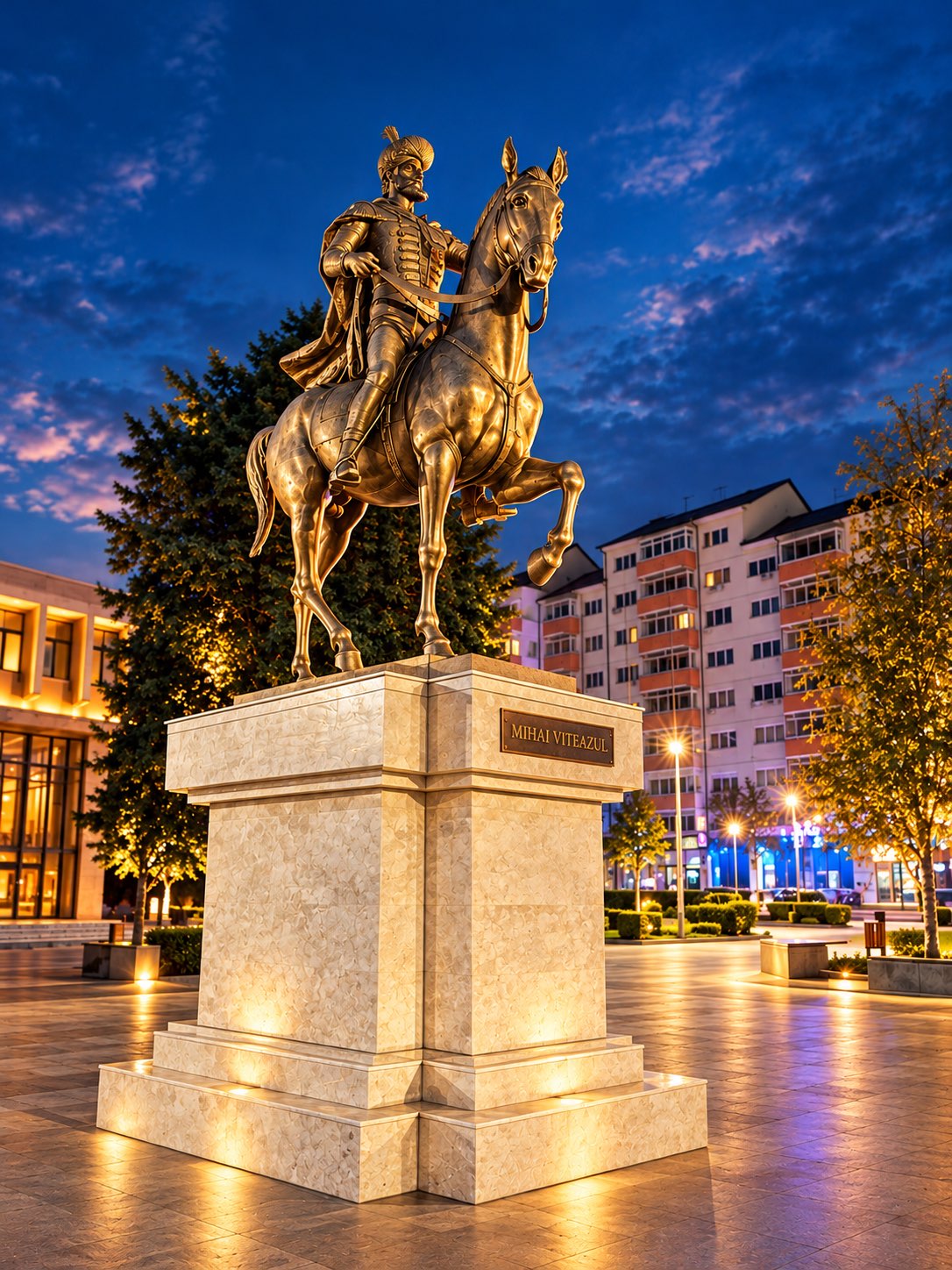
In the autumn of 1595, Târgoviște became the scene of a decisive episode in the struggle to recover Wallachia from Ottoman occupation. The campaign brought together the forces of Mihai Viteazul, Prince of Wallachia, Ștefan Răzvan of Moldavia and Sigismund Báthory of Transylvania. Their combined efforts culminated in the capture of the fortified town and marked an important turning point in the military campaign against the Ottoman forces operating in Wallachia.
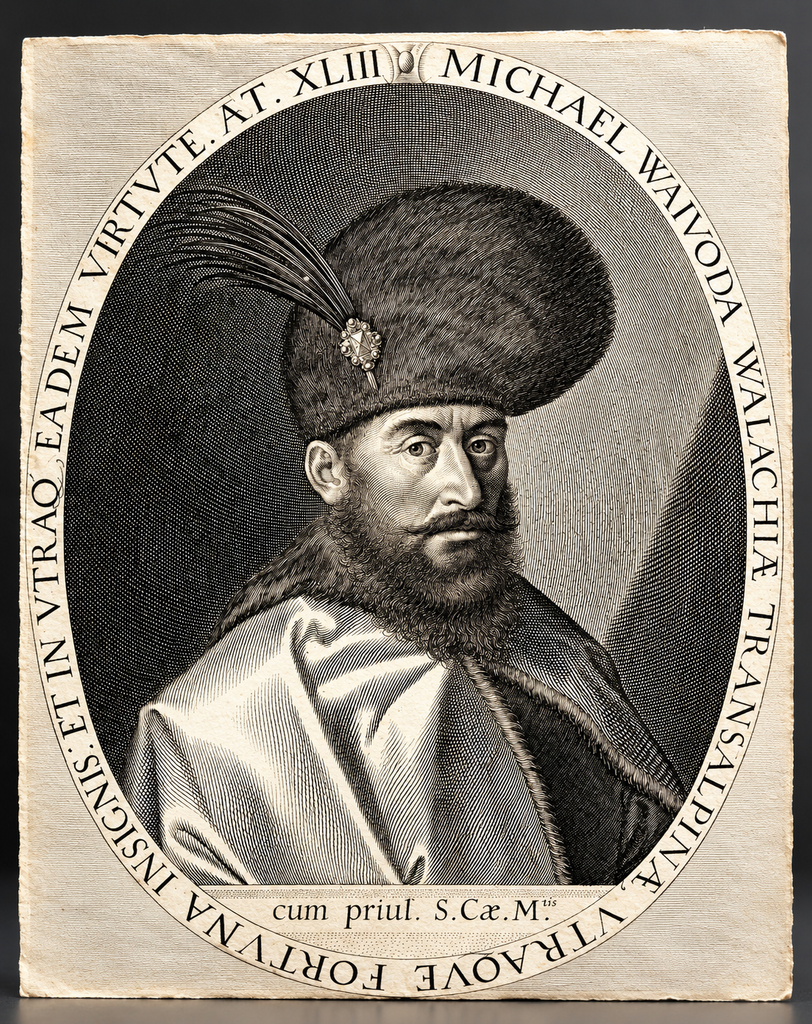
The events of October 1595 are preserved in the Letopisețul Cantacuzinesc, the Wallachian chronicle that records the meeting of the three rulers and the subsequent assault on Târgoviște. Read alongside other historical accounts, the chronicle offers a valuable perspective on a campaign in which regional alliances, military strategy and the control of a former princely capital converged.
A Campaign to Recover Wallachia
The campaign followed the Battle of Călugăreni in August 1595, where Mihai Viteazul achieved a significant tactical success against the Ottoman army commanded by Grand Vizier Koca Sinan Pasha.
Despite this success, the Ottoman advance continued. Bucharest and Târgoviște fell under Ottoman control, and the occupying forces strengthened important positions in an effort to secure their hold over Wallachia.
Târgoviște was particularly valuable because of its history as a princely capital. Its fortified precincts and strategic position made it an important military objective, while its political significance extended beyond its immediate defensive role.
The campaign to recover the town therefore had both military and political dimensions. Regaining control of Târgoviște meant more than retaking a fortified settlement: it meant restoring Wallachian authority in a place closely associated with the principality’s government and dynastic history.
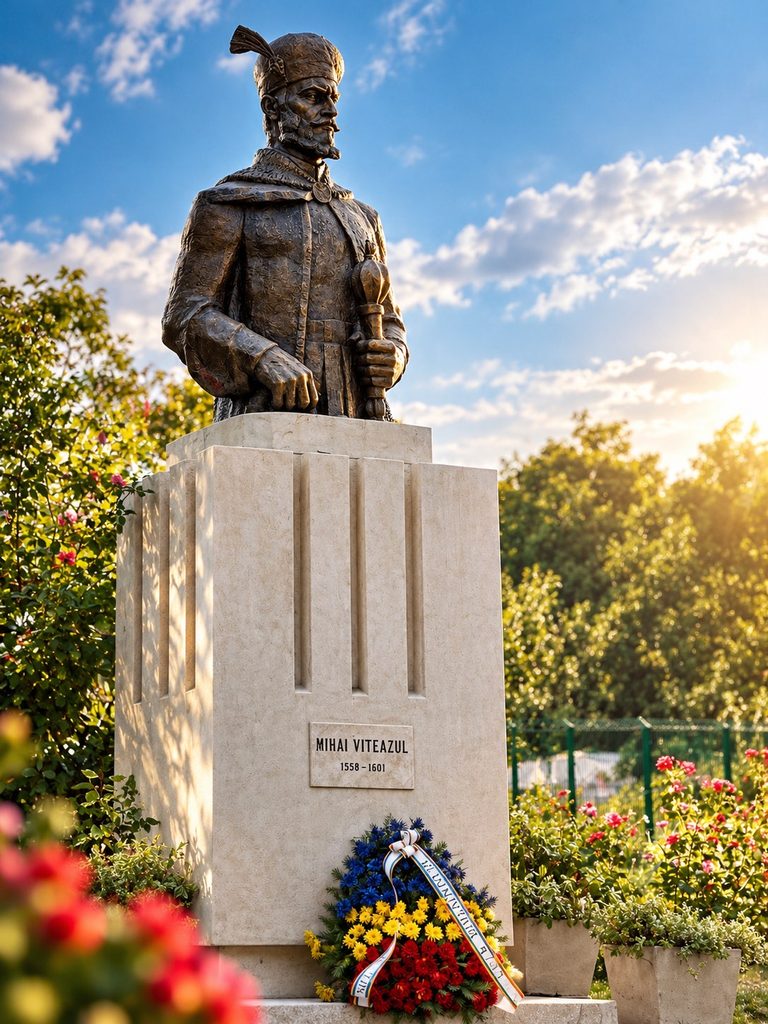
Monument to Prince Mihai Viteazul at Dealu Monastery, commemorating the ruler and the historic events of October 1595.
Three Rulers, One Military Campaign
The allied campaign brought together three rulers whose territories and political interests were closely connected by the events of the period.
Mihai Viteazul commanded the Wallachian forces. Ștefan Răzvan, who had ruled Moldavia earlier in 1595, participated in the campaign alongside the Transylvanian forces of Sigismund Báthory. Their cooperation reflected the wider struggle against Ottoman expansion and the strategic importance of maintaining connections between the principalities north and south of the Carpathians.
The allied army also included additional contingents. Its composition reflected the international character of warfare in Central and South-Eastern Europe at the end of the sixteenth century, when rulers relied on military alliances and forces drawn from different territories.
These alliances should not be understood as the expression of a modern national coalition. They arose from the political circumstances of the time, combining military necessity with the interests of individual rulers and their territories.
Nevertheless, the campaign demonstrates how the fate of Wallachia could depend upon events and decisions extending well beyond its borders.
The Siege of Târgoviște
The chronology of the campaign is preserved in both the traditional Wallachian dating and modern historical accounts.
The Letopisețul Cantacuzinesc records that the three rulers came together on 6 October 7104 according to the Byzantine era used in the chronicle. The battle for Târgoviște is commonly dated in modern literature to 6/16-8/18 October 1595, reflecting the difference between the Julian and Gregorian calendars.
As the Ottoman forces withdrew towards Bucharest, a garrison remained at Târgoviște under Ali Pasha. The allied army surrounded the fortified position and brought artillery against its defences.
After several days of fighting, the Ottoman position was overcome. The fortifications were set ablaze, the garrison was defeated and Ali Pasha was captured alive, according to the account preserved in the Cantacuzino Chronicle.
The chronicle records the episode in direct and forceful language:
“Báthory, Mihai Viteazul and Ștefan, with all their armies, came and surrounded the fortress of Târgoviște, and immediately it was set on fire. All the Turks who were there perished, and Ali Pasha was captured alive.”
(Translation prepared for Basarab Heritage; the wording above is an English rendering of the passage traditionally attributed to the Letopisețul Cantacuzinesc.)
The passage conveys the scale and intensity of the fighting as remembered in the Wallachian chronicle. As with other narrative sources, however, its language should be read in the context of the chronicle’s perspective rather than treated as a complete independent account of every stage of the battle.
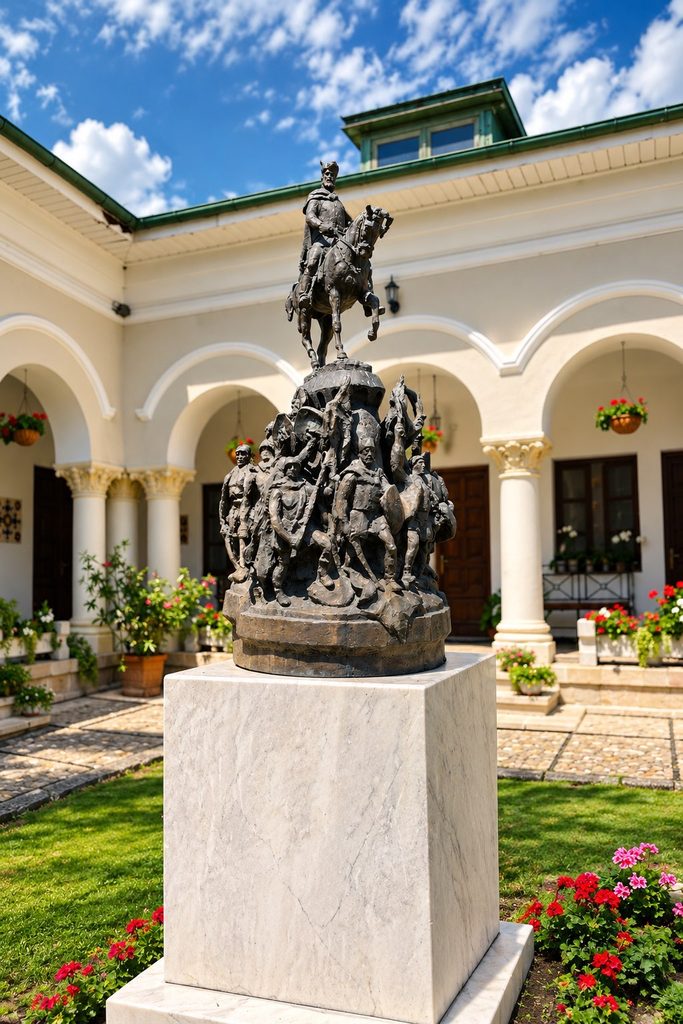
Equestrian monument of Prince Mihai Viteazul and his troops within the historic courtyard of Dealu Monastery.
From Târgoviște to the Danube
The recovery of Târgoviște did not bring the campaign to an end.
The allied forces continued their advance, and Bucharest was also recovered. The military confrontation then moved southwards towards the Danube, where further fighting took place around Giurgiu later in October.
The sequence of events demonstrates the interconnected nature of the campaign. The capture of a fortified town was one stage in a broader effort to reverse the Ottoman occupation of Wallachia and challenge the strategic position established by Koca Sinan Pasha.
For Mihai Viteazul, the recovery of Târgoviște also carried political significance. The city was closely associated with Wallachian princely government, and its return to his control provided an important setting for the restoration of authority and the continuation of diplomatic activity.
A Place of Memory in Wallachian History
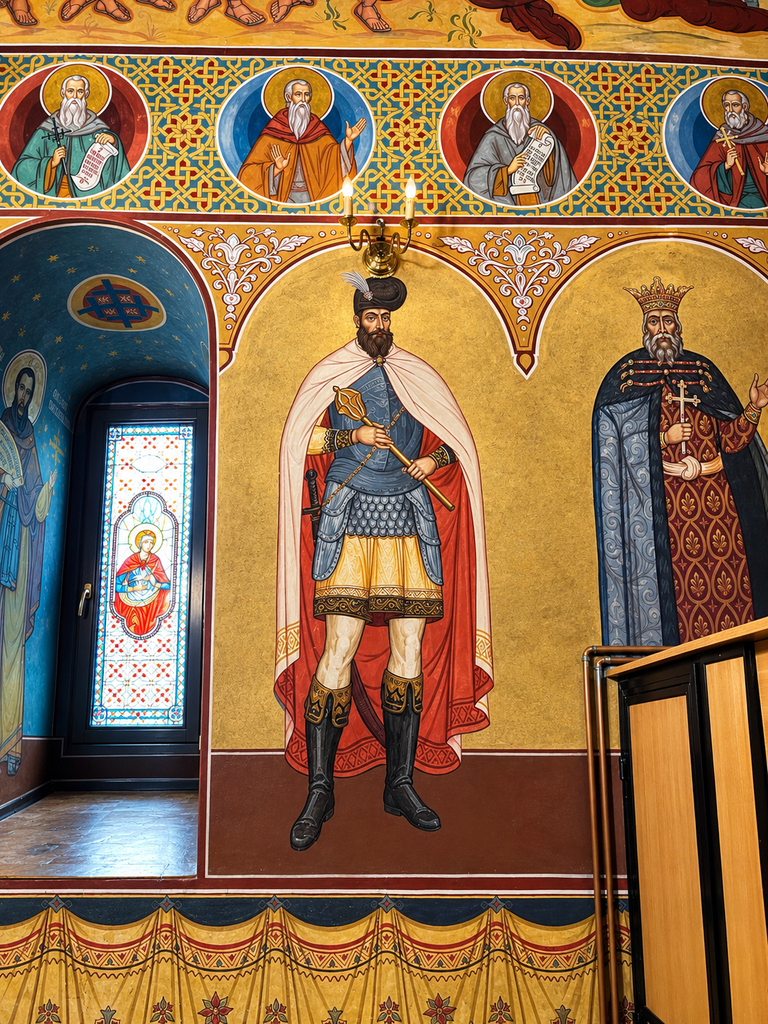
The events of October 1595 remain an important part of Târgoviște’s historical memory. The city’s monuments to Mihai Viteazul recall a ruler whose campaigns shaped the political history of Wallachia at a moment of intense regional conflict.
Yet the significance of the episode extends beyond the commemoration of a single military victory. It reveals the relationships between Wallachia, Moldavia and Transylvania, the strategic importance of the former princely capital and the challenges faced by rulers seeking to defend their territories amid the competing ambitions of larger powers.
The campaign also illustrates the value – and the limitations – of historical chronicles. The Letopisețul Cantacuzinesc preserves a vivid account of the allied assault, allowing us to approach the events through the memory recorded by a Wallachian historical tradition. When read critically and alongside other evidence, such accounts help reconstruct both the course of events and the ways in which they were remembered.
Today, Târgoviște’s monuments and historic landscape offer a tangible connection to this past. The city continues to preserve traces of the political world in which Mihai Viteazul operated, reminding us that the history of Wallachia was shaped by alliances, warfare and the enduring importance of its princely centres.
Basarab Heritage
— A.C.
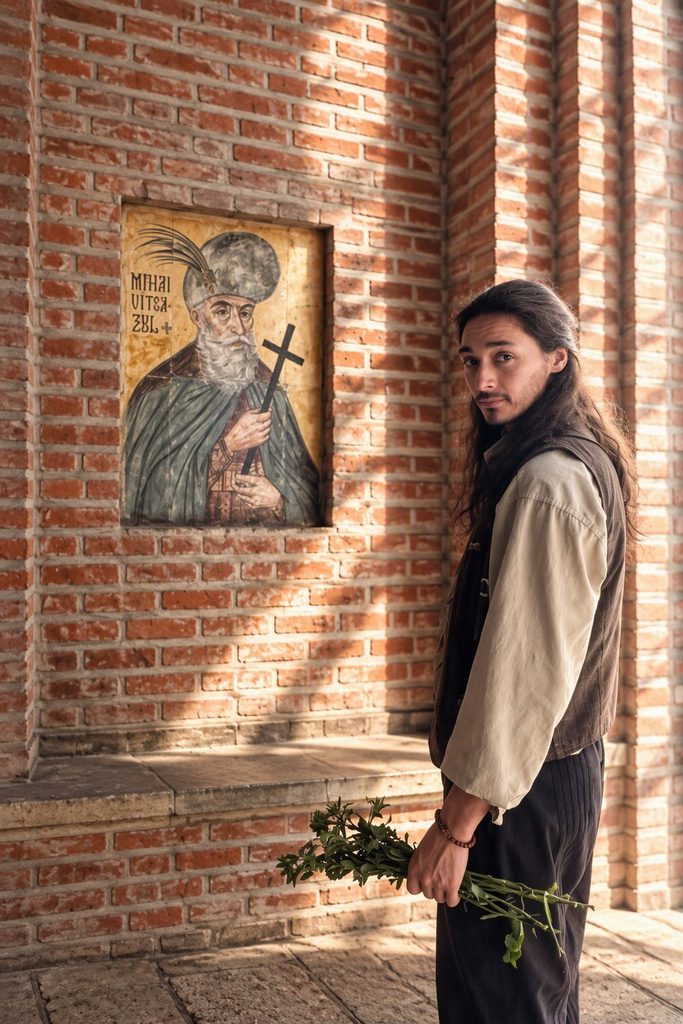
In memory of the Wallachian ruler: Vladislav Carol Nicolae standing before the portrait of Mihai Viteazul during a visit at Dealu Monastery.