Historical reenactment and cultural exchange offer valuable ways of preserving and transmitting Europe’s shared heritage, bringing historical places, material culture and traditions into dialogue with the present.
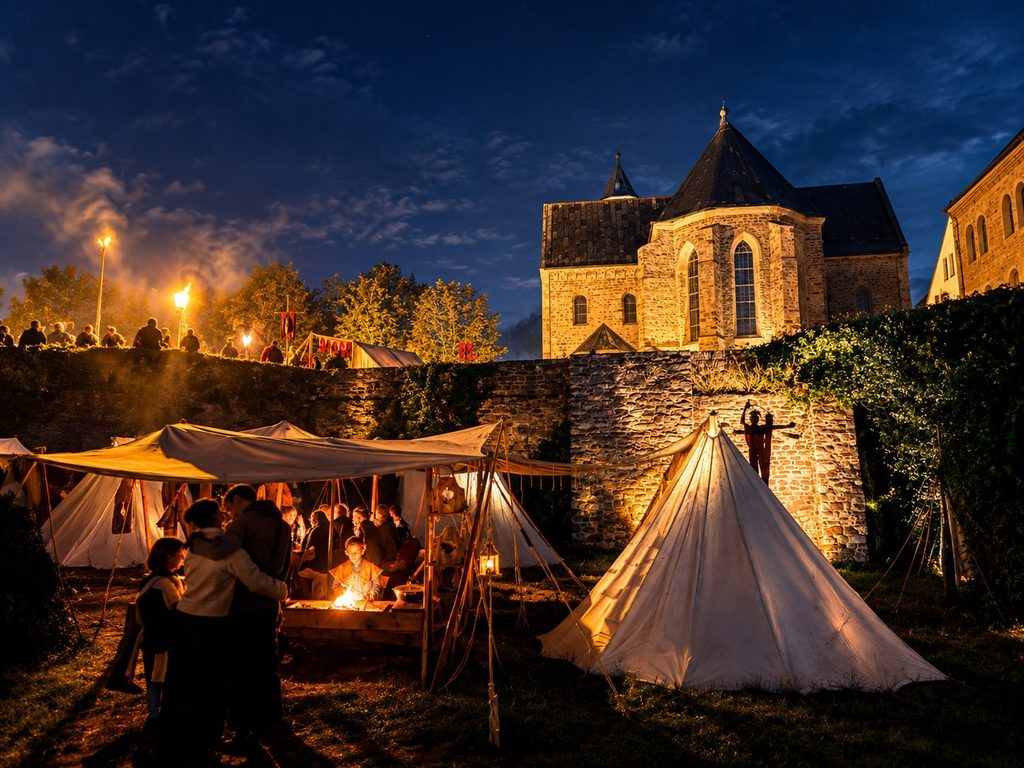
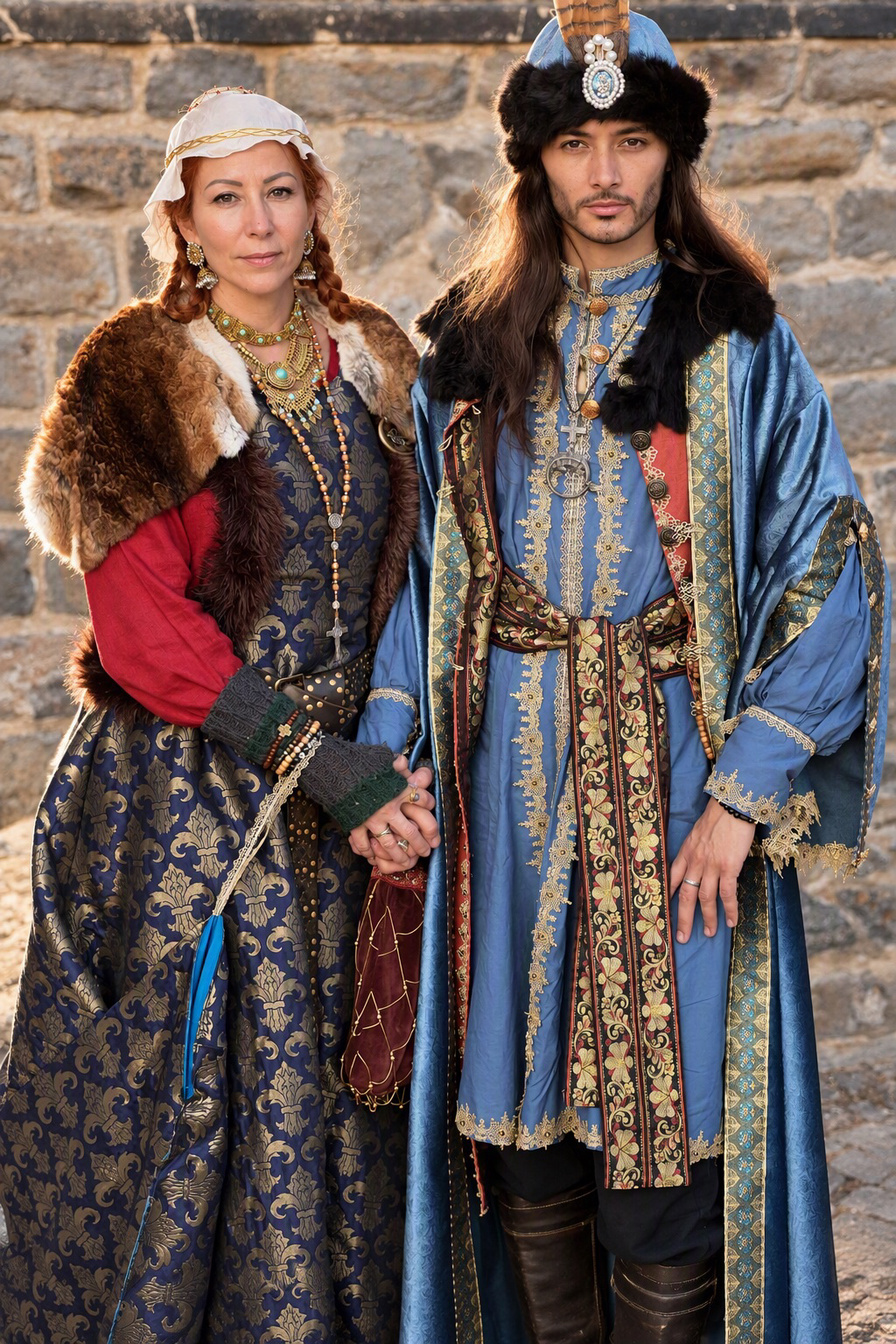
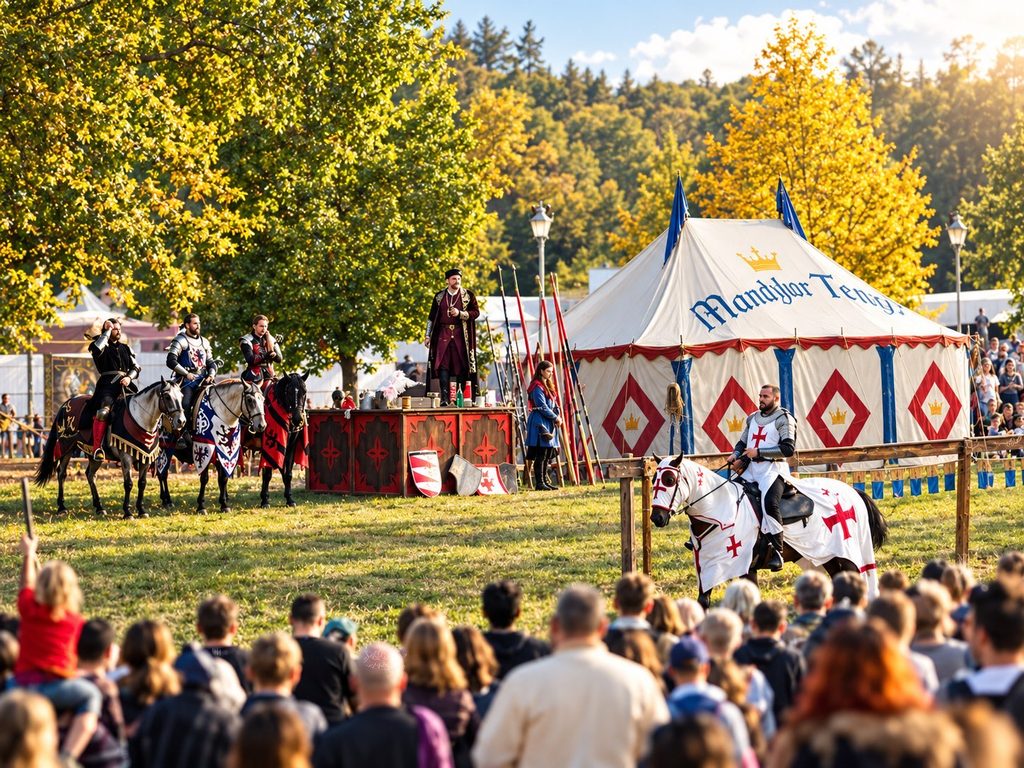
On 3 October 2026, Vladislav Carol Nicolae and Magdalena attended the 16th Kaiser Otto Fest in Magdeburg. On this occasion, the historic Domviertel once again became a setting for exploring the history and material culture of the medieval period. Across the Domplatz, the former monastery district, the Möllenvogtei and the Fürstenwall, crafts, music, theatre, historical presentations and mounted tournaments offered visitors different perspectives on medieval life.
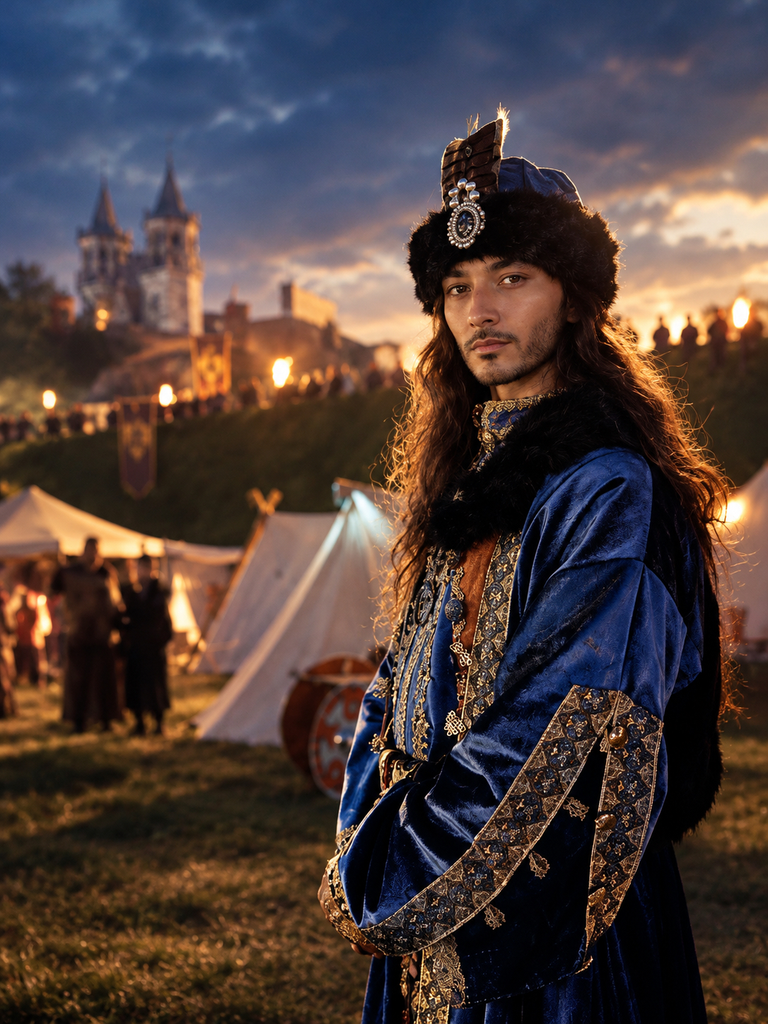
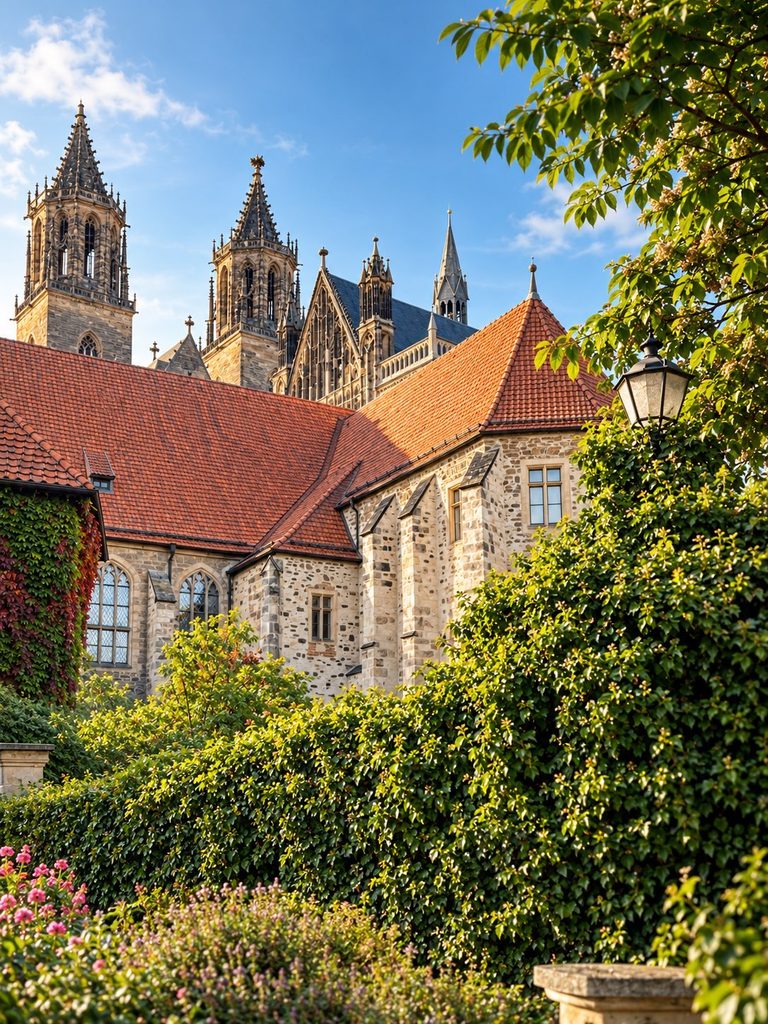
Magdeburg was one of the principal centres of Otto I’s rule and an important royal and imperial residence. In 929, Otto gave Magdeburg to his first wife, Editha, as a morning gift. In 937, he founded the monastery of St. Mauritius, which laid the foundations for the city’s later ecclesiastical importance. Following his victory at the Battle of Lechfeld in 955, Otto further advanced his plans for Magdeburg, and in 968 the city became the seat of an archbishopric. Crowned emperor in Rome in 962, Otto was buried in Magdeburg in 973 beside Editha.
Although the present cathedral was built centuries after Otto’s original church, it preserves a tangible connection to the Ottonian past, including the tomb of the emperor himself. The surrounding historic quarter is therefore more than a backdrop for a medieval festival: it forms part of the historical landscape that shaped the political and ecclesiastical development of medieval Central Europe.
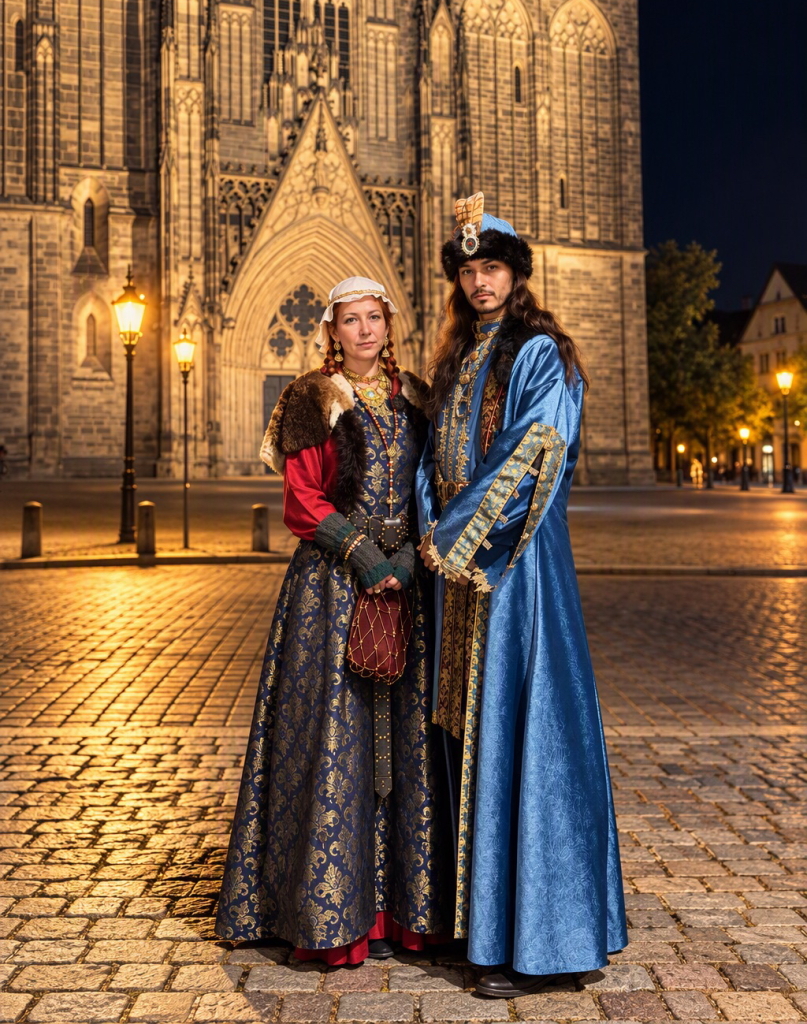
For Basarab Heritage, participation in events of this kind reflects a broader interest in the preservation of historical memory through historic places, material culture and living forms of historical interpretation. Such encounters also provide opportunities to engage with the diverse traditions through which Europe’s past continues to be understood, presented and shared.
Basarab Heritage
— A.C.