
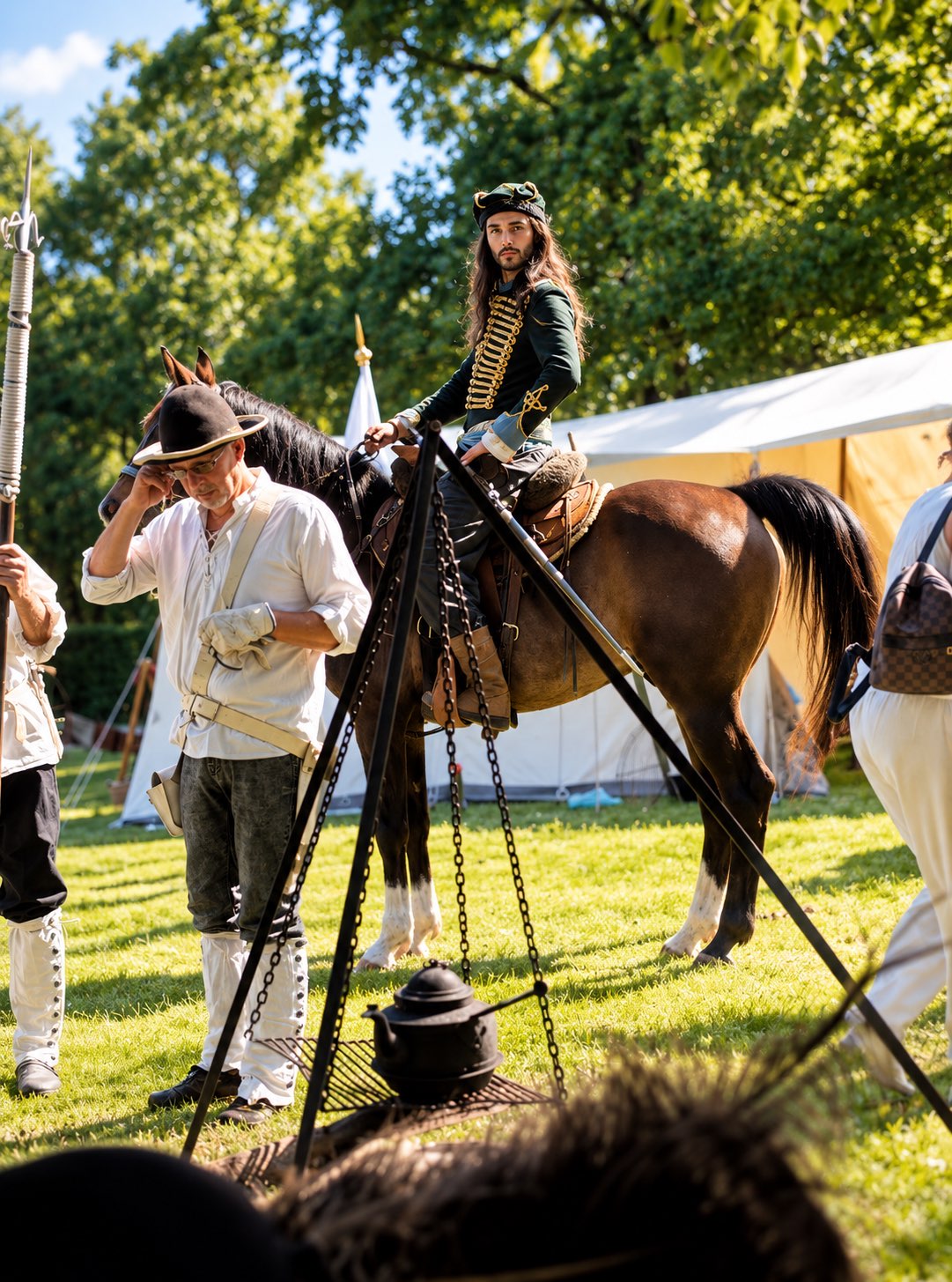
Living history is more than the reenactment of past events. It is a means of connecting historical knowledge with public experience, allowing communities to preserve their local heritage and pass it on to future generations.
This year, Vladislav Carol Nicolae once again took part in the traditional Schwedentage (Swedish Days) in Rathenow, joining the historical reenactment of the events of 1675 alongside Elector Frederick William of Brandenburg, known to history as the Great Elector.
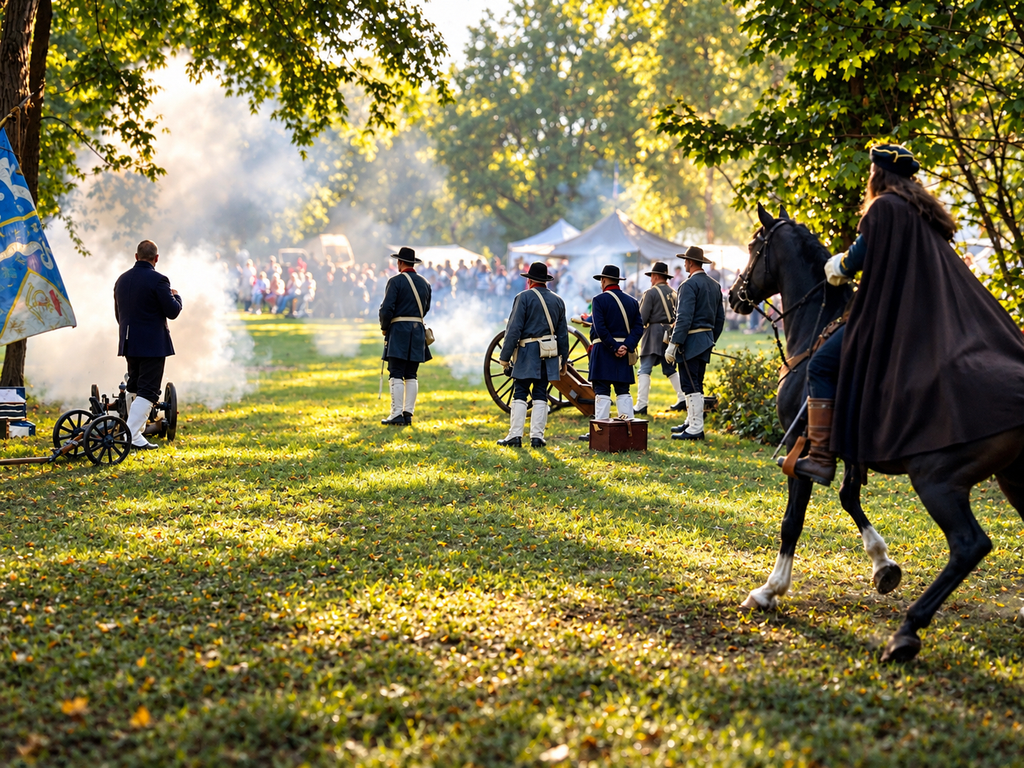
Historical reenactment of 17th-century troop movements and military traditions during the Rathenow Swedish Days.
Rathenow in 1675: A Defining Moment in Brandenburg’s History
The historical events commemorated by the Rathenow Swedish Days took place during the Dutch War, a major European conflict that reshaped political and military relations across the continent.
While Elector Frederick William was engaged in military operations against France in the Rhineland, Swedish forces, allied with France, invaded the Mark Brandenburg. Rathenow was occupied, placing the town directly in the path of a conflict whose consequences extended far beyond the region.
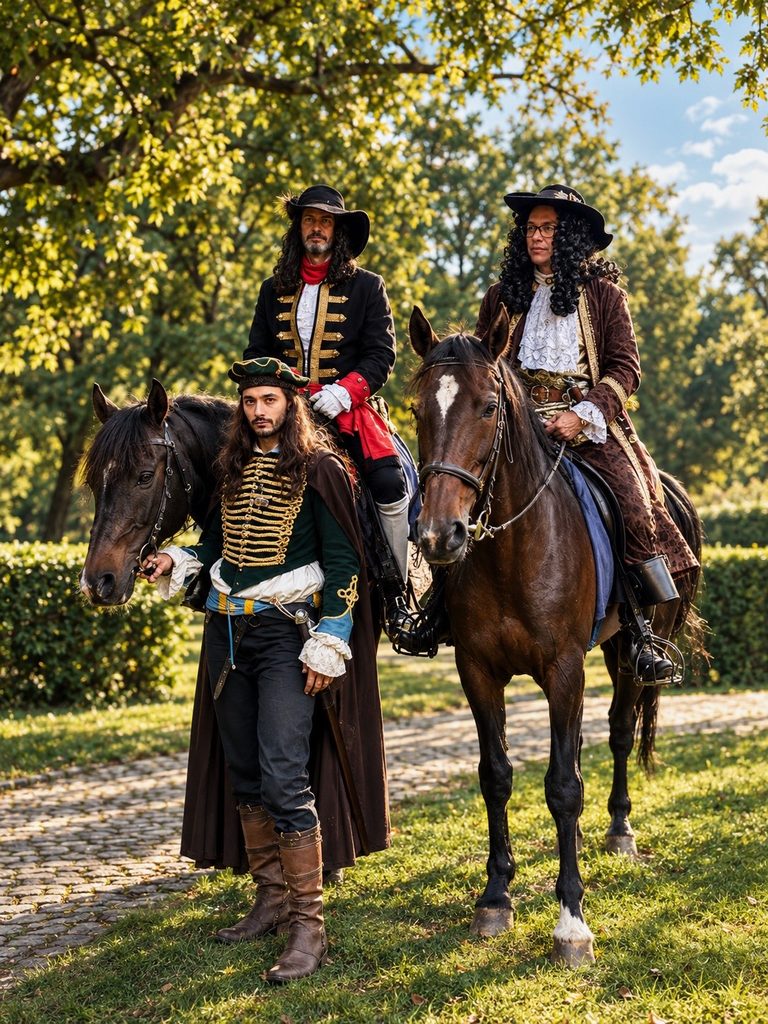
On 15 June 1675, Brandenburg troops launched a surprise attack against the Swedish garrison in Rathenow. The successful operation marked an important stage in the Elector’s counteroffensive and preceded the Brandenburg victory at the Battle of Fehrbellin on 18 June.
These events became an enduring part of Brandenburg’s historical memory. They illustrate not only the military challenges faced by the Electorate during the seventeenth century, but also the strategic importance of the towns and territories of the Mark Brandenburg within the wider political landscape of Europe.
The Rathenow Swedish Days bring this chapter of regional history to life through historical reenactments, allowing visitors to encounter the setting, material culture, and military traditions of the period in a vivid and accessible way.
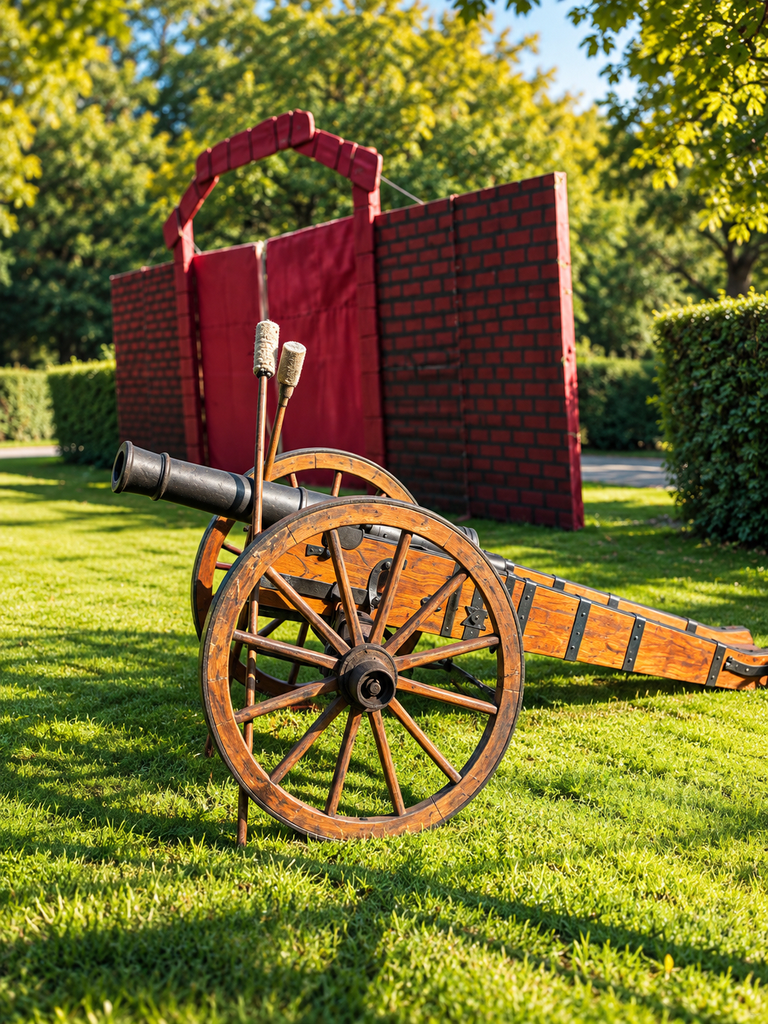
A detailed reconstruction of a historical field artillery piece, with wooden wheels, positioned on a grass lawn during the Rathenow Swedish Days event. The cannon points towards a dark red screen and hedge.
Preserving History Through Living Tradition
Beyond the historical reenactment itself, the Schwedentage offer an opportunity to explore aspects of seventeenth-century life through traditional craftsmanship, historical demonstrations, and encounters with the material culture of the past.
Such events provide an accessible complement to museums, archives, and historical scholarship. By placing historical objects, clothing, crafts, and military practices within a tangible setting, they can encourage visitors to engage more closely with the past and develop a deeper interest in the history of their region.
Their success, however, depends on far more than the programme presented to the public.
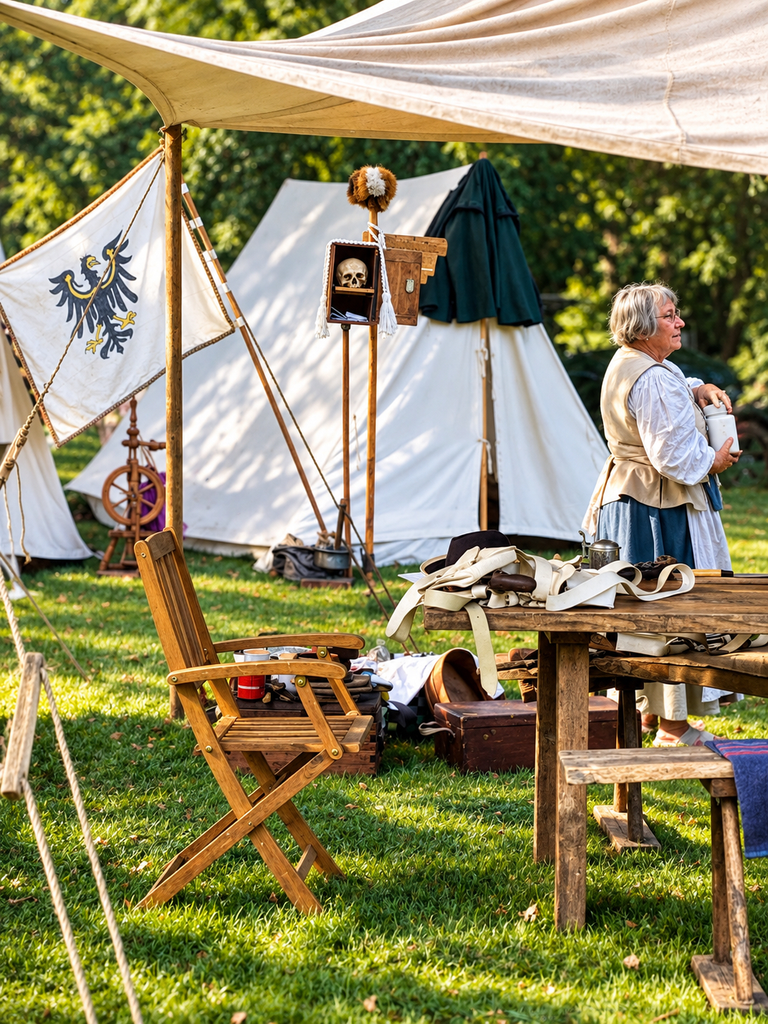
Behind these events stand local associations, historical reenactment groups, volunteers, and individuals who dedicate considerable time, knowledge, and effort to preserving and communicating regional history. Their work requires preparation, specialist knowledge, organisational commitment, and a willingness to pass on skills and traditions.
The Rathenow Swedish Days are an example of how such collective efforts can turn historical memory into a shared public experience.

Historical falconry in practice: Demonstrating the heritage of hunting traditions and birds of prey during the Rathenow Swedish Days.
The Importance of Sustaining Cultural Heritage
The preservation of cultural heritage depends not only on historical research and the protection of monuments, but also on the continued involvement of communities and the institutions that support them.
Local historical events create opportunities for education, intergenerational exchange, and public engagement with the past. They can strengthen the relationship between a community and its history while making regional heritage accessible to audiences who might otherwise encounter it only through books or formal exhibitions.
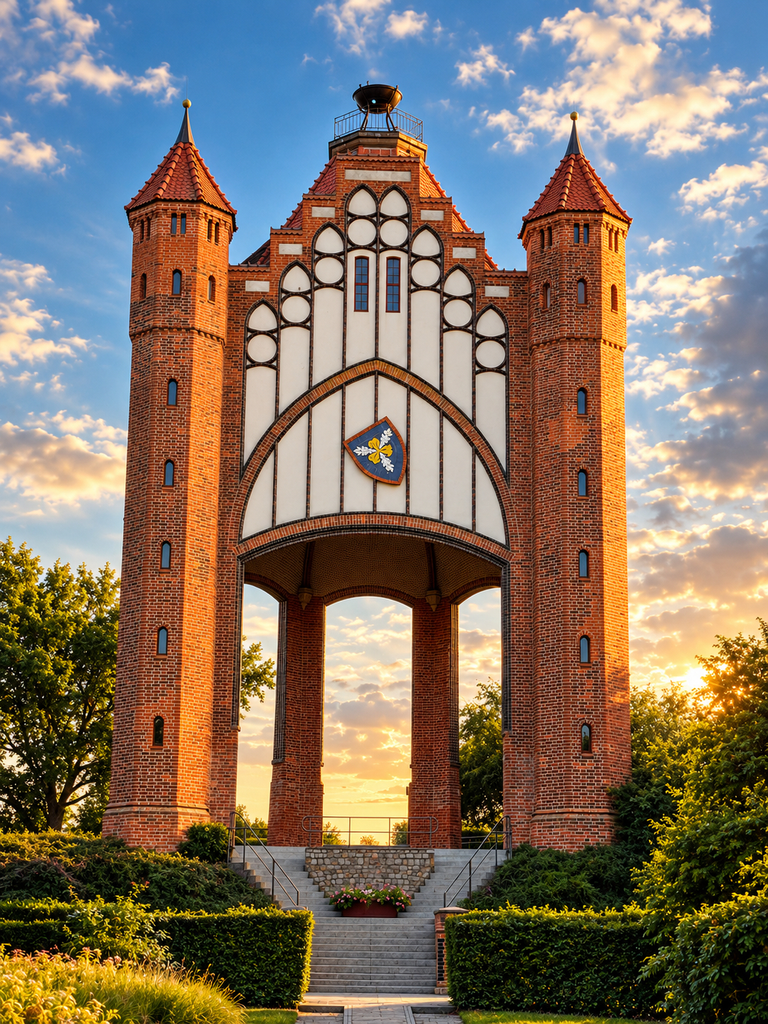
Sustaining such initiatives requires dedication, continuity, and appropriate support. The knowledge and experience accumulated by local associations and volunteers represent a valuable cultural resource that deserves recognition and preservation.
At Basarab Heritage, we believe that historical heritage should remain accessible, meaningful, and open to thoughtful engagement. The past is not preserved through remembrance alone, but through the continued effort to understand it, interpret it responsibly, and share its significance with future generations.
The Rathenow Swedish Days remind us that regional history forms part of a wider European story. By bringing the events of 1675 into public view, the people who sustain this tradition help ensure that an important chapter of Brandenburg’s history continues to be remembered, explored, and understood.
Basarab Heritage
— A.C.